From 500K Devices to a New Factory: How Green IT Is Turning E-Waste Into a Business Model
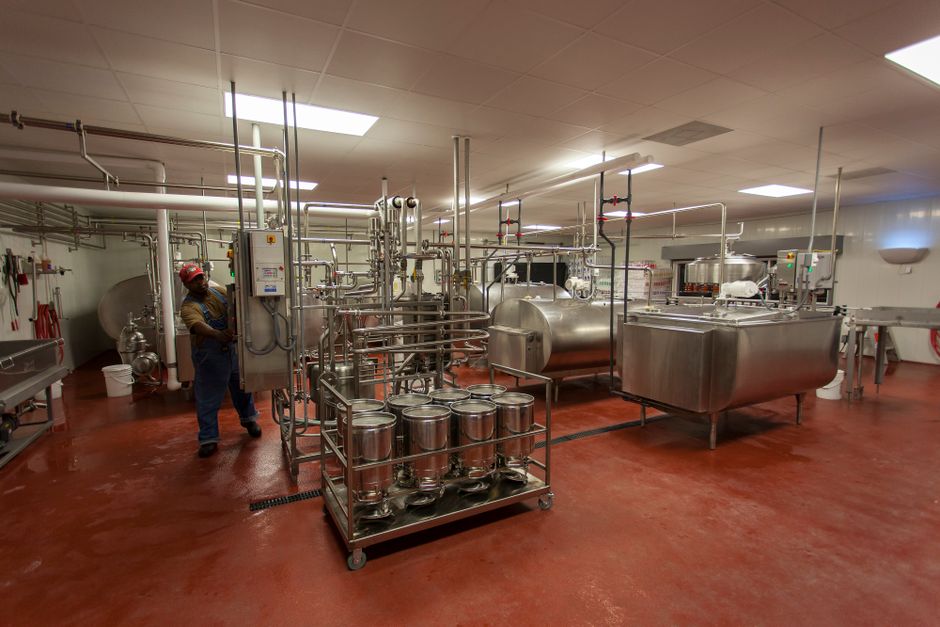
While every other Irish business is busy announcing their AI strategy, Green IT is building a factory. Not a server farm. Not a co-working pod. An actual manufacturing facility, 22,000 square feet of it, designed to process the devices that the cloud economy keeps generating and throwing away.
That is the circular economy working as a real business, not as a slide in a sustainability deck.
The Problem Nobody Wants to Own
Irish businesses collectively replace laptops, phones, and monitors on a cycle that runs roughly every three to four years. Multiply that across the multinationals on the IDA's books, the public sector, the banks, and the universities, and you are looking at a river of hardware flowing out the door constantly. The question is where it flows to.
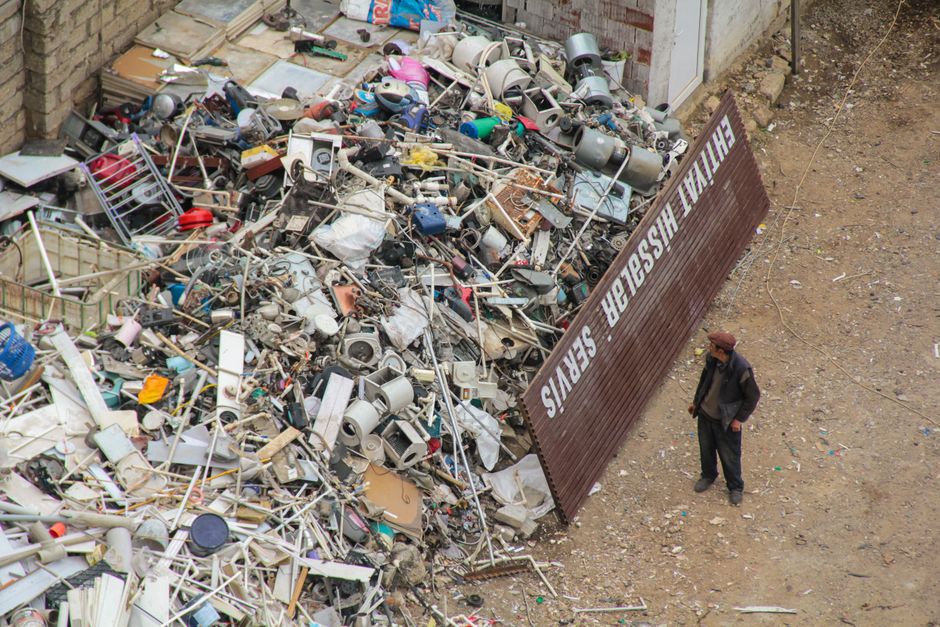
Most of it flows to a landfill, or to an export container headed somewhere that asks fewer questions. The EU's own figures put global e-waste at over 50 million tonnes a year, a weight equivalent to every commercial aircraft ever built, discarded annually. Ireland generates around 150,000 tonnes of e-waste per year according to the EPA. The overwhelming majority of that is not being recovered at anywhere near its material value.
Green IT spotted this not as a compliance problem but as a procurement problem. Somebody had to handle this material. Whoever handled it at scale, reliably, with data security certifications attached, would own a sticky B2B contract base that gets renewed every time a client refreshes their fleet.
From 500,000 Devices to a Proof Point
Green IT has already processed more than 500,000 devices. That number matters because it moves this out of the pilot phase. At 500,000 units, you have seen enough variation in condition, brand, and configuration to have built real operational knowledge. You know your yields. You know which device categories return value and which cost you to process. You know where the bottlenecks sit.
The business model runs in three distinct streams, and the order of those streams is the strategy.
Step 1: Collection and data destruction. The client's primary concern is not the environment. It is the data sitting on those devices. Green IT leads with certified data destruction, which means the conversation with a corporate IT manager starts on ground they care about, not ground Green IT cares about. This is what gets you in the door.
Step 2: Grading and refurbishment. Once the data is gone, every device is assessed. Those that can be resold are refurbished to a standard that allows them to re-enter the market as functional products. A laptop that originally cost €1,200 and would have gone to a skip can re-enter the economy at €300 to €400. That is recovered value, not recycled material.
Step 3: Responsible recycling. What cannot be refurbished is broken down for materials recovery. This is the floor, not the ceiling. The real margin sits in steps one and two.
The model is producer logic applied to a waste stream. Green IT is not waiting to see what the market will pay for recycled components. It is creating a refurbished product with its own demand, its own buyer, and its own price point. That is a fundamentally different posture from a recycler that depends on commodity metal prices.
Why the New Factory Changes the Math
The 22,000 sq ft facility is not just more space. It is a capacity commitment that reshapes the economics. At that scale, the fixed costs of certification, quality control, data destruction infrastructure, and logistics get spread across a much larger volume of devices. The unit economics improve. The minimum viable contract size for a corporate client can decrease, which opens the door to mid-sized businesses that previously could not justify the engagement.
Ireland's Right to Repair rules are creating a hidden opportunity for tech startups and Green IT is positioned directly in the path of that regulatory tide. As EU rules tighten around product longevity and manufacturer responsibility, the compliance cost for large organisations holding redundant hardware is going up. Green IT's service turns a compliance liability into a managed process with a certificate at the end.
There is also a public sector angle here that is worth naming plainly. The OGP, the HSE, the local authorities, and the universities all run large device fleets. They all have data protection obligations under GDPR. They all have sustainability targets. Green IT can serve all three requirements with one contract. That is a strong procurement pitch and one that does not rely on the client being ideologically committed to the environment.
The Fast Tech Problem Feeds This Model
Irish retailers face a growing circular economy strategy problem because consumer electronics have a shelf life measured in seasons now, not years. Every device that gets retired is either a cost to dispose of or a unit of inventory for someone with the operational capacity to recover it. Green IT is building that operational capacity systematically, while most competitors are still running it as a side business attached to an IT services firm.
The threat to this model is honest: margin compression if refurbished device prices fall, competition from larger European operators with more capital, and the possibility that AI-driven procurement tools make device refresh cycles even shorter, flooding the supply side faster than the refurbishment market can absorb it.
None of those threats are existential. They are manageable if the operation is efficient, the brand is trusted, and the sales effort keeps pace with capacity.
What This Actually Proves
Green IT's build-out is evidence that the circular economy is a manufacturing thesis, not a marketing position. The business case rests on operational excellence, certified processes, and a client base that needs this service regardless of what the sustainability index says this quarter. The factory is not a bet on consumer goodwill. It is a bet on corporate procurement, regulatory pressure, and the simple fact that 500,000 devices worth of experience is a real competitive advantage.
Irish manufacturing tends to chase pharmaceuticals and medtech for good reason. But there is a durable, scalable business in processing the physical waste of the digital economy, and Green IT is building it on an island that generates the problem at industrial scale.
The cloud is not replacing this business. The cloud is creating it.