From Kitchen Hobby to Commercial Reality: What Artisan Food Makers Need to Know Before They Scale
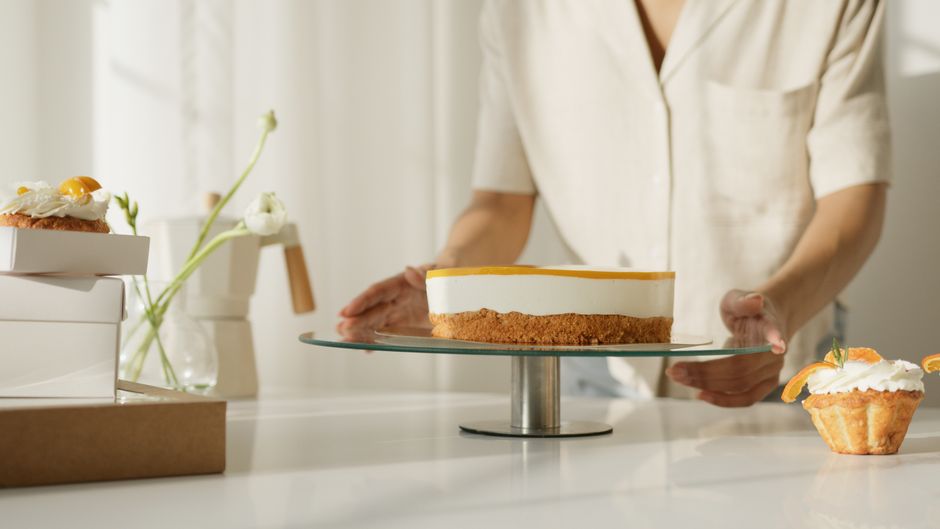
The cake that everyone loves at the farmer's market is not automatically a business. That distinction costs Irish makers more money, time, and sleep than any ingredient ever will.
The Gap Between Passion and Profit
Take Claire Byrne of Meath, who spent three years building a following for her hand-decorated floral cakes before she ever registered a company. Her work was genuinely beautiful, demand was real, and she was turning away orders. On paper, that looks like the moment to scale. In practice, it was the moment the hard questions started.
The first question is not "can I make more?" It is "can I make more at a price the market will pay, in a premises that meets regulatory requirements, with ingredients bought at commercial volumes, while paying myself a wage?" When you run those numbers honestly, a lot of kitchen hobbies stay exactly where they are. That is not failure. That is clarity, and clarity early is cheaper than clarity at year three.
Ireland's artisan food sector is worth over €2.5 billion to the domestic economy, according to Bord Bia figures. That is not a niche. But the route from home baker to commercial food producer involves a series of legal, financial, and operational steps that most people underestimate before they start, and discover painfully once they are inside them.
What the Regulations Actually Require
Ireland does not have a formal cottage food exemption in the way some US states do. If you are selling food commercially, you are operating as a food business, full stop. That means registration with your local authority environmental health office, compliance with HACCP food safety rules, and in many cases a premises inspection before you can trade legally.
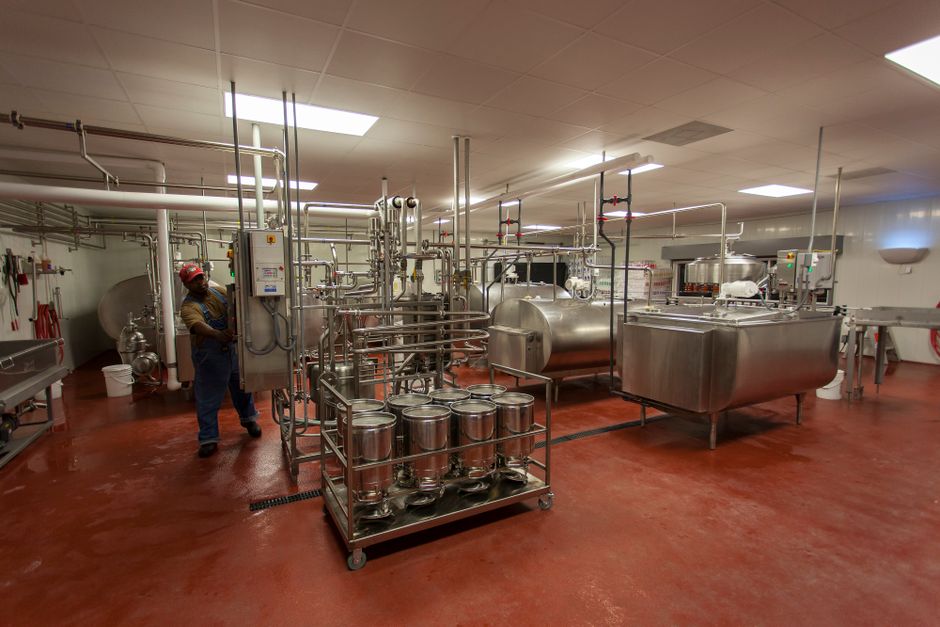
For a baker working from home, this creates an immediate binary: a domestic kitchen versus a commercial-grade one. Most domestic kitchens fail inspection not because of cleanliness but because of structural requirements around surfaces, ventilation, and separation of food preparation areas. The fix is either to retrofit the home kitchen (expensive and sometimes impossible depending on the property) or to rent time in a shared commercial kitchen. Several county enterprise boards and food hubs around Ireland now offer exactly that, and it is worth calling yours before you buy a single piece of equipment.
Labelling is the other area where new producers consistently get caught out. Under EU food law, every product you sell needs a full ingredient list with allergens highlighted, a best-before date, net weight, and business address on the label. Skipping any of those is not a paperwork problem. It is a legal one.
The Four Steps to Commercial Reality
There is an order to this, and the order matters. Skipping step two to get to step four faster is the most common mistake, and it usually means going back and doing step two anyway, but with less money and more urgency.
Step 1: Cost your product honestly. Not just ingredients. Include your time at a real hourly rate, packaging, labels, delivery or market fees, and a contribution to overheads. If the number that comes out is higher than customers will pay, you do not have a pricing problem. You have a product-market fit problem, and you need to know that now.
Step 2: Get your compliance in order before you sell at scale. Register with your local authority. Have your HACCP documentation ready. Get your labels right. This is not bureaucracy for its own sake. It is the foundation that lets you pitch to a deli, a retailer, or a food hall without having to stall the conversation.
Step 3: Test the wholesale equation separately. Selling a cake for €40 at a market feels very different from selling it wholesale to a café at €20 so they can mark it up to €38. Your margin is not halved. It is gone, unless you have designed your product and your production process for the wholesale price from the start. Many makers discover this only after they have landed their first retail account.
Step 4: Build production capacity around demand, not aspiration. Do not buy a commercial oven for orders you hope will come. Rent kitchen time, fulfill the orders, prove the demand is repeatable, then invest in equipment. The entrepreneur who waits for confirmed demand before spending capital survives. The one who builds capacity on the basis of confidence alone often does not.
Where Most Makers Actually Stumble
The stumble is rarely the product. Irish artisan food makers produce genuinely world-class work, and how Irish food businesses are surviving a cost explosion shows the sector is resilient even under real pressure. The stumble is almost always one of three things.
First, underpricing. The temptation to stay competitive by staying cheap is the enemy of a sustainable food business. Cheap is not a strategy. It is a slow exit. If your product is genuinely differentiated, your job is to find the customers who value that, not to discount your way to the ones who do not.
Second, treating the first retailer as proof of concept. One deli stocking your product is a data point, not a business model. You need to know whether that retailer will reorder, what your sell-through rate is, and whether the margin works before you approach the next five.
Third, conflating social media following with revenue. A beautiful Instagram account with ten thousand followers is a tool for selling, not evidence that selling is working. The metric that matters is orders placed and paid for.
The Honest Opportunity
The market for premium, story-driven, locally made food in Ireland is real and growing. Consumers are actively choosing small producers over supermarket shelves for the right product at the right price. That is genuine demand, and demand is what you build a business on. Rural female entrepreneurs are increasingly at the centre of this shift, building food businesses that are rooted in place and priced on quality.
But the opportunity requires you to treat it like a business from day one. Keep the books. Register properly. Know your numbers. The passion that made the product is not enough to sustain the company. That takes a different set of skills, and the good news is they can all be learned.
The kitchen is where the idea lives. The business is built somewhere else entirely.