The Glendalough Café Closure: What 20 Years of Hospitality Revenue Actually Costs a Family Business
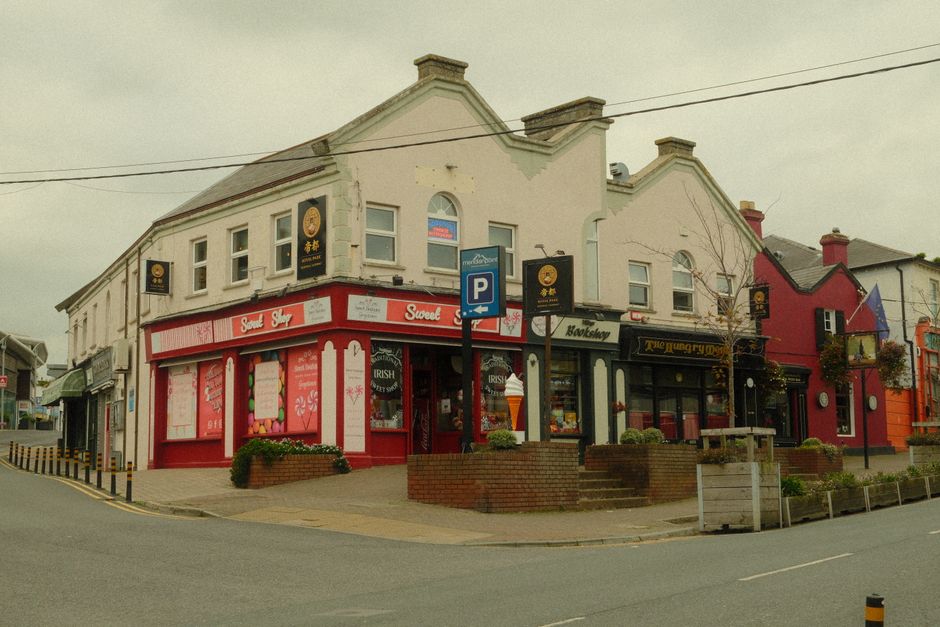
A business that survives twenty years in rural Irish hospitality has done something genuinely hard. The closure of a beloved café near Glendalough, one of the most visited natural sites in the country, is not a sentimental story about the end of an era. It is a financial story, and it plays out in hundreds of similar businesses across Wicklow, Kerry, Clare, and every other county where tourism is seasonal, costs are structural, and the next generation has other plans.
The Revenue Illusion of a Tourist Honeypot
Location near a major attraction looks like a gift. Glendalough draws over a million visitors a year. A café sitting on that footfall should be printing money. It isn't that simple, and anyone who has actually run the accounts knows why.
The first problem is compression. A significant portion of those visitors arrive between May and September. Outside that window, midweek trade in a rural location can be close to zero. A business built around five months of strong revenue must pay twelve months of fixed costs. Rent, insurance, rates, and loan repayments do not take a winter break. A café turning over €400,000 in peak season sounds healthy until you run the full-year cost stack and realise the shoulder months are consuming the margin the summer built.
The second problem is that tourism revenue is not recurring. A hotel in a city gets return guests, corporate contracts, and conference bookings. A rural café gets walkers on a Saturday. You cannot send them a renewal invoice in January.
What Twenty Years of Rising Costs Actually Looks Like
The cost structure of an Irish hospitality business in 2025 is unrecognisable compared to 2005. Food input costs are up sharply, a pattern how Irish food businesses are surviving a cost explosion has documented across the sector. Energy bills for a commercial kitchen that once ran at €800 a month now run at €1,800 or more. The National Minimum Wage has moved from €7.65 in 2005 to €13.50 in 2025, a rise of 76%. For a business with eight staff, that single change adds tens of thousands to the annual wage bill before you account for PRSI, holiday pay, and sick leave obligations under the new statutory entitlements.
None of these cost movements is unreasonable in isolation. Collectively, they change the fundamental economics of a small hospitality business. The margin that once let a family pay themselves a modest salary and reinvest a little each year gets thinner with each legislative cycle. By year fifteen or sixteen, many operators are not building value. They are maintaining a lifestyle, and a fragile one at that.
The Succession Problem Nobody Budgets For
Here is where the financial story gets brutal. Most family café owners have their entire net worth tied up in a business that a buyer will value on a multiple of maintainable earnings. If the earnings in recent years have been poor, if the accounts show a business grinding rather than growing, the valuation reflects that. A café with €40,000 in net profit might attract a multiple of two to three times earnings. That is €80,000 to €120,000 for two decades of work, a building someone else owns, equipment that needs replacing, and goodwill that walks out the door the day the sign comes down.
The owners who do best at exit are the ones who started thinking about succession a decade before they wanted to leave. That means one of four things.
Step 1: Build the asset, not just the income. Own the property if you can. The café that rents is always one lease renewal away from losing its location premium. The family that owns the building has something to sell or hand on regardless of what the trading accounts look like.
Step 2: Document everything. Recipes, supplier relationships, seasonal staffing systems, the way the queue is managed on a August bank holiday Sunday. A buyer or a successor needs to be able to run the business without the founder standing in the kitchen. Most rural cafés cannot pass this test.
Step 3: Start conversations early. The worst succession outcomes happen when the founder waits until illness or exhaustion forces the issue. At that point, the negotiating position is weak, the accounts often show recent decline, and the family dynamics have not been worked through. Ten years of advance planning produces a different outcome.
Step 4: Separate the family from the business. If the next generation is not interested, say so clearly and plan accordingly. Forcing an unwilling son or daughter into ownership is not succession planning. It is postponing the same closure by one generation, with added family tension.
The Producer's Question
The businesses that survive this pattern are the ones that stopped thinking like a café and started thinking like a brand. A rural hospitality operation near a major natural attraction has something most urban food businesses would pay for: a story, a setting, and a captive audience with nowhere else to go.
That asset can be built on. A cookery experience tied to the landscape. A produced food range sold online and in local shops, building revenue that does not depend on whether it rains in Wicklow on a Saturday morning. A partnership with walking tour operators that guarantees covers on days that would otherwise be dead. These are not radical ideas. They are the difference between a business that a buyer sees as an asset and one they see as a job they do not want.
The café closing near Glendalough is a genuine loss for the community around it. It is also a case study in what happens when a business survives on momentum rather than strategy, when costs are absorbed year by year without a corresponding review of the model, and when succession is treated as something to think about later.
Rural Irish hospitality is full of businesses at year twelve or fifteen of the same trajectory. The ones that read this story and recognise themselves still have time to build something that transfers.