From Pocket Change to Tourist Cash: How Niche Retail Is Thriving Where High Street Chains Fail
The best retail businesses in Ireland right now are not the ones with the lowest prices. They are the ones you cannot replicate on Amazon.
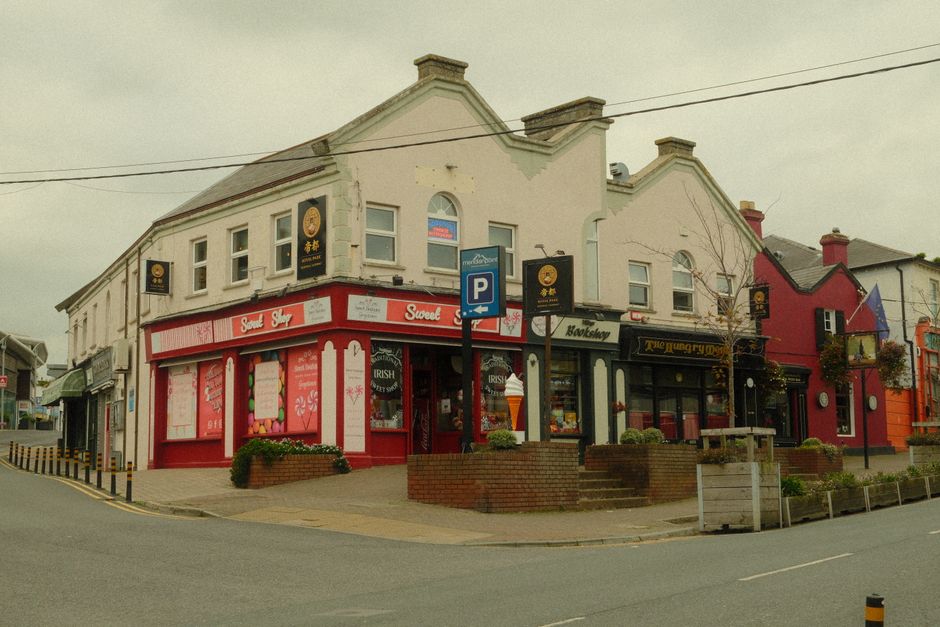
Walk down the main street of almost any Irish town outside Dublin and you will find the same archaeology: a Centra, a charity shop, a closed unit with a letting agent's board, and a gap where a Debenhams or a Pamela Scott used to be. The post-pandemic high street story in Ireland has been told as a story of loss. But inside that same landscape, something else is happening. Shops that sell a specific thing to a specific person, and wrap it in an experience worth the trip, are turning over serious money while the generalists retreat.
One of the clearest examples sits in Wexford town. A specialist witchcraft and esoteric goods retailer, stocking crystals, spell kits, tarot decks, ritual candles, handmade incense, and locally sourced herbal remedies, has built a loyal customer base that travels from Waterford, Kilkenny, and Wicklow to shop there in person. That is not a walk-in trade. That is a destination. And a destination is worth far more to a town-centre landlord, and to the owner's margin, than another outlet selling things people can buy cheaper with next-day delivery.
Why Chains Failed Where This Shop Thrives
The chain model operates on volume and uniformity. A buying team in a head office somewhere decides what goes on the shelf in Wexford, Ballina, and Letterkenny simultaneously. The product is the same. The fit-out is the same. The customer experience is the same. That works fine when you are selling something people need, like phone credit or a sandwich. It fails the moment the category requires curation, knowledge, or trust.
Esoteric retail is a category where the customer arrives with questions. Which crystal is right for anxiety? Is this tarot deck suitable for a beginner? What is the difference between white sage and palo santo, and which is ethically sourced? A shop assistant reading from a script cannot answer those questions. A founder who has practised the craft for fifteen years, knows the suppliers personally, and has read every book on the shelf can. That knowledge is the product. The candles and crystals are just the physical form it takes.
This is the producer's advantage over the employee: the founder brings expertise that cannot be hired for the minimum wage. The customer is not buying a crystal. They are buying the confidence that comes from being guided by someone who knows what they are talking about.
The Three Conditions for Niche Retail Success
Not every passion project becomes a viable shop. The Wexford model works because three specific conditions are met, and the order they are built in matters.
1. Genuine scarcity. The product range cannot be assembled from a single supplier catalogue. The owner sources from small Irish producers, independent UK importers, and direct relationships with artisan makers in Europe. A customer who wants that specific hand-poured ritual candle made in Carlow cannot get it on Amazon, because Amazon does not stock it. Scarcity is not manufactured by limiting supply. It is created by choosing suppliers that large retailers will never bother with because the volumes are too small.
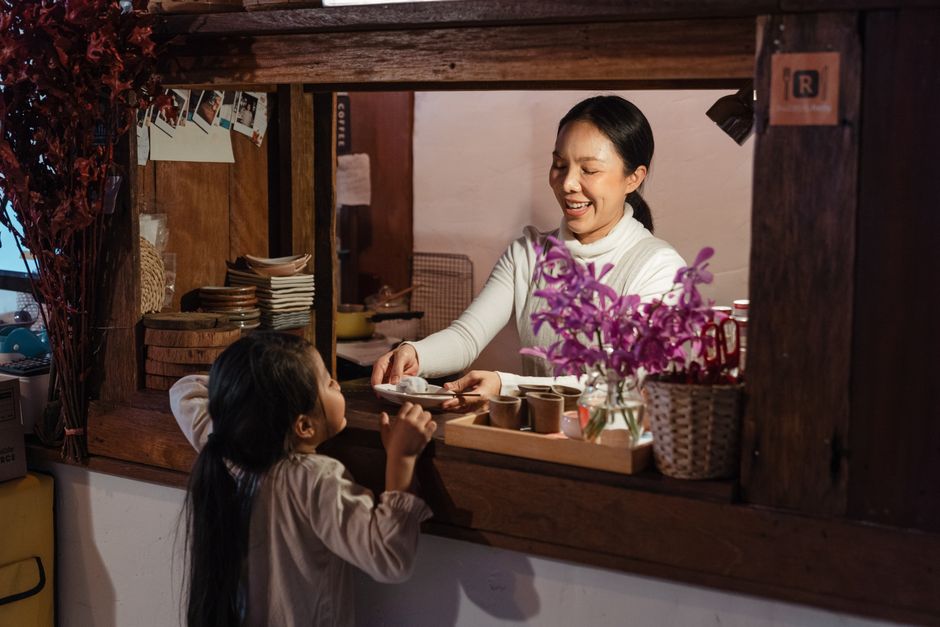
2. The experience layer. The shop does not look like a shop. It smells of incense, it is lit with intention, the shelves are arranged by purpose rather than by product category. A customer spending twenty minutes inside is being shown something, not just sold something. That time investment builds attachment. The conversion rate on a forty-five-minute visit is not comparable to a forty-five-second scroll on a product page. In experiential retail, time in-store is the metric that matters, not click-through rate.
3. Community anchoring. The shop runs workshops, tarot reading evenings, and seasonal rituals tied to the Wiccan calendar. Each event brings in people who might not have visited otherwise, and converts browsers into regulars. The customer who attends a samhain workshop in October is back in December buying gifts. She brings her sister in January. Her sister posts about it. The acquisition cost of that second and third customer is close to zero.
Small Irish businesses are quietly outperforming giants in exactly the categories where this logic applies: the business builds community first and sells into it, rather than building a product and hoping community follows.
What the Numbers Actually Look Like
Fáilte Ireland's own visitor spend data shows that tourist expenditure in the southeast region reached roughly €630 million in a recent full year. Wexford town sits at the centre of that flow. A specialist shop with a strong social media presence and a reputation for authenticity captures a slice of tourist spend that a newsagent never will. Visitors from Dublin on a weekend break are not looking for something they could buy at home. They want something local, something with a story, something that makes the trip feel worth the petrol.
The margin structure of niche retail also rewards this model. A mass-market retailer selling crystals at a mainstream price point might achieve a 40 percent gross margin. A curated shop selling the same crystal with provenance, a hand-typed information card explaining its geological origin and traditional use, and a personal recommendation from the owner can achieve 65 to 70 percent. That is not price-gouging. That is the value of knowledge and experience priced into the product. The customer knows they are paying more. They pay it anyway, because the alternative is a faceless online transaction that gives them none of what they actually came for.
The Honest Risk
The model has a fragility that deserves naming. It is entirely dependent on the founder. The day the owner stops working the floor is the day the magic, for want of a better word, starts to fade. Scaling this kind of business is genuinely difficult. You cannot franchise expertise. You cannot hire a replacement who cares as much. The choice is either to stay small and profitable, or to document the knowledge system so thoroughly that it can survive the founder's absence. Most niche retailers pick the first option and call it a lifestyle business. That is not a failure. Running a profitable, debt-free shop that you own outright and enjoy working in is a better outcome than running a chain of mediocre ones.
The fear is dependence. The opportunity is that the small business extinction closing Irish high streets has cleared the field. The chains are gone. The rents have adjusted. The customer, deprived of interesting retail, is actively looking for something worth visiting.
What Other Irish Retailers Can Take From This
The witchcraft shop is not a story about witchcraft. It is a story about the decision to serve one customer very well rather than many customers adequately. It is a story about choosing depth over breadth, experience over transaction, and community over footfall.
Any retailer in a small Irish town looking at empty units around them and wondering whether to expand should ask one question first: can I make someone drive forty kilometres to buy from me specifically? If the answer is yes, they have something worth building. If the answer is no, no amount of discounting will save them.
Cheap is not a strategy. Irreplaceable is.