How Irish Food Businesses Are Surviving a Cost Explosion (And What's Next)
The margin was already thin. Now it's translucent.
Irish food producers are operating in a cost environment that would have looked implausible five years ago. Energy, fertiliser, packaging, labour and transport have all moved against them at once, and the weather has stopped being a background variable and started being a line item.
The Numbers Behind the Pressure
Teagasc data puts the picture plainly. Input costs on Irish farms rose by over 30% between 2021 and 2023, driven by energy-linked fertiliser prices that at their peak in 2022 were running at three times their pre-pandemic level. To put that in physical terms: a tonne of CAN fertiliser that cost a Tipperary tillage farmer around €250 in 2020 was touching €700 at the top of the spike. That is not a rounding error on a spreadsheet. That is the difference between a profitable rotation and a loss-making one.
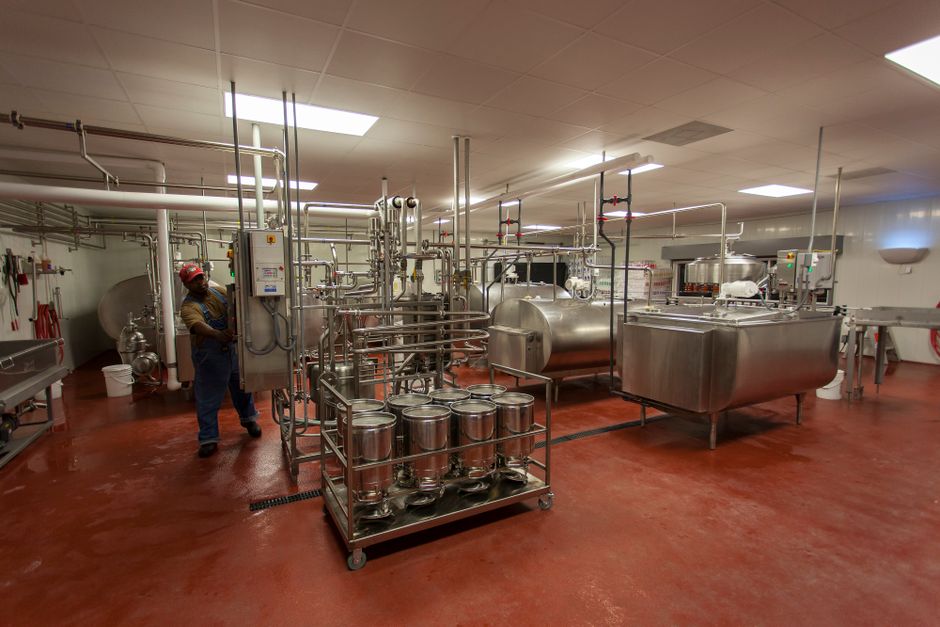
Downstream, food manufacturers absorbed similar shocks. Electricity, which runs everything from cold storage to pasteurisation lines, climbed sharply. The CSO's own figures show food and non-alcoholic beverage prices in Ireland rose 11% through the peak of the inflation cycle. Some operators passed that on. Many didn't, and they are the ones now looking at their bank statements with a quiet kind of dread.
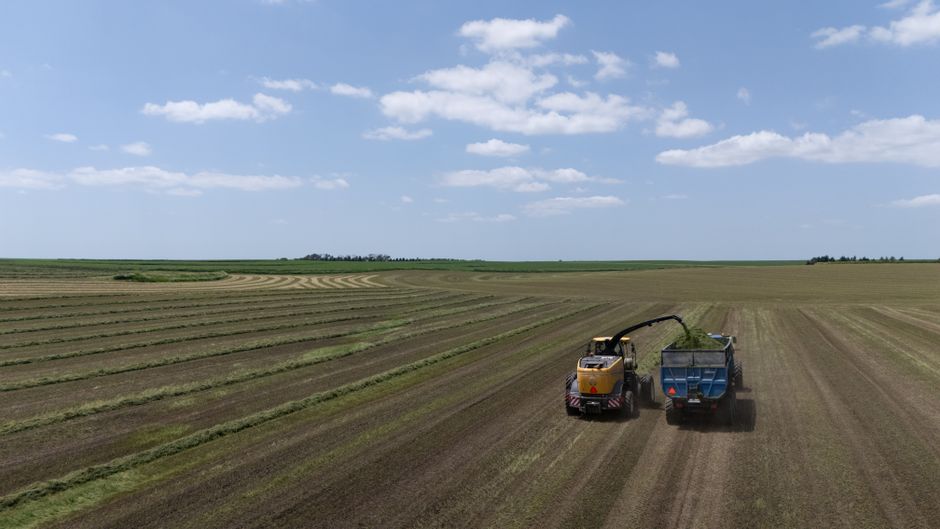
Then climate entered the conversation as a permanent cost driver rather than an occasional disruption. The 2023 summer was the wettest on record in parts of the west, cutting silage yields and forcing farmers into supplementary feed purchases they had not budgeted for. The 2024 spring brought waterlogged soil that delayed drilling by weeks in the midlands. These are not once-in-a-generation events anymore. They are the operating conditions.
The Operators Who Stayed Profitable
The businesses still making money share three characteristics. They repriced without apology, they got closer to the end customer, and they treated their supply chain as a competitive asset rather than a commodity service.
Glanbia's experience is instructive here. The co-operative and its commercial offshoots leaned into added-value dairy and nutritional products precisely because the commodity end of the market is where margin goes to die. When your product is a bulk ingredient, your price is set by the market. When your product is a finished protein supplement with a brand attached, you have a conversation. The businesses that built that conversation before the cost crisis hit were far better positioned when it arrived.
At a smaller scale, several Irish artisan food producers have held or grown margin by doing the opposite of what instinct suggests. Instead of cutting pack sizes quietly or absorbing costs silently, they went to their wholesale and retail buyers with transparent cost breakdowns and argued for price increases on the basis of shared interest. Some were refused. Others were not. The ones who had built genuine relationships rather than purely transactional ones found buyers more willing to move than expected.
One Connacht-based vegetable grower supplying a regional multiple moved part of his production to direct farm gate and box scheme sales, cutting out two layers of margin extraction. His wholesale price was unchanged. His actual return per kilogram sold direct was 40% higher. He did not grow the business by selling more. He grew it by selling smarter.
The Four-Step Response That Works
The producers navigating this environment well are following a recognisable logic, and the order matters.
Step 1: Audit the cost stack with brutality. Not a general sense of where money goes, but a line-by-line review of every input. Most operators who do this find two or three items where they have been on autopilot, paying a supplier's rate without testing the market in years. Energy contracts are the most common offender. One Midlands food manufacturer found they were still on a contract negotiated in 2019 and moved to a fixed rate that saved €60,000 annually. That is not innovation. That is attention.
Step 2: Separate customers by margin, not by volume. The highest-volume customer is frequently not the most profitable one. The buyer who orders in smaller quantities, pays on time, asks fewer questions about packaging specifications, and has no promotional levy is often generating more net margin per euro of revenue than the account that represents 30% of turnover. Know the difference before you start making decisions about where to focus.
Step 3: Price for what the product is worth, not what the market charged last year. Last year's price was set in a different cost environment. The producer who holds an old price to avoid an uncomfortable conversation is subsidising their customer's margin with their own solvency. Demand and quality justify a price. Squeamishness does not reduce costs.
Step 4: Redesign the offer before the customer redesigns their supplier list. The food businesses losing accounts right now are largely the ones who waited to be told there was a problem. The ones holding accounts are the ones who came back with reformulated products, new pack formats, or value-added elements before the buyer started looking elsewhere. Producer over victim. Offer over complaint.
What's Coming Next
The cost environment is not going back to 2019. Fertiliser prices have moderated from their peak but remain structurally higher than pre-pandemic norms. Energy costs are embedded in Irish business at a level that makes budget planning genuinely difficult. And climate volatility is now a known unknown rather than a genuine surprise, which means it needs to be planned for rather than reacted to.
The businesses building resilience are doing it through three routes: shorter supply chains that reduce exposure to international price swings, product ranges where differentiation justifies a real price premium, and financial buffers built in good years that allow them to absorb a bad season without requiring emergency decisions.
The opportunity is real and it sits in the same place as the pressure. Irish consumers have demonstrated, repeatedly, that they will pay more for provenance, quality, and trust when those things are made visible and argued for clearly. The Keogh's family proved it with crisps. Several Irish dairy brands have proved it with cheese. The template exists. The gap between the template and most operators is not capability. It is the willingness to stop competing on price and start competing on offer.
Irish food enterprise is not fragile. It is underpaid for what it produces and underconfident about asking for what it is worth. The cost explosion is brutal and real. It is also the forcing function that separates the businesses built to last from the ones built to be cheap.
Build the thing worth paying for. Then say so.