How Irish Sports Tech Is Punching Above Its Weight at Global Events
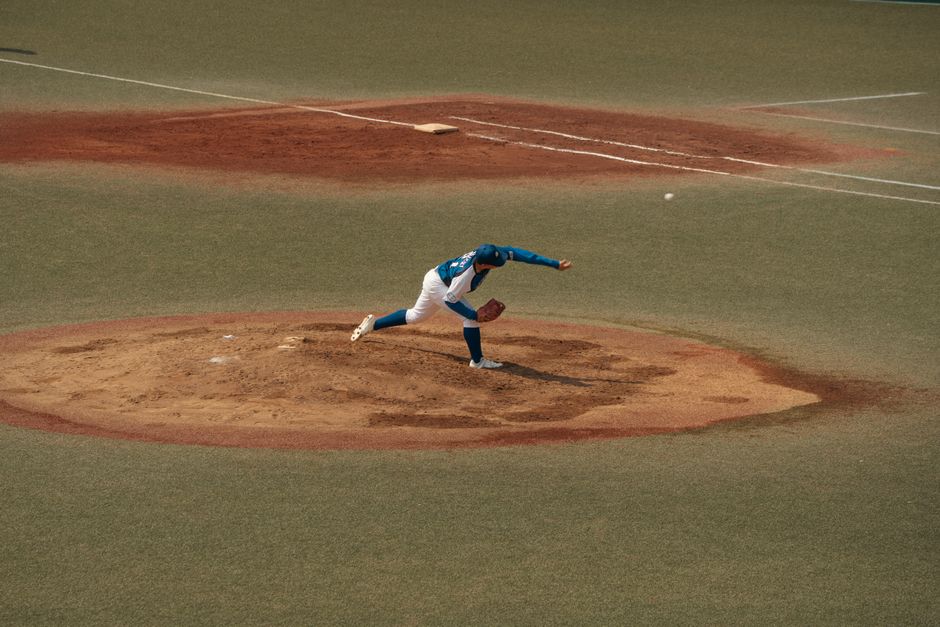
Irish hardware exports tend to get overshadowed by software. The SaaS story is easier to tell, cheaper to scale, and easier to fund. But SIS Pitches, based in Limerick, rolled their product out under the boots of the world's best footballers at the FIFA World Cup final in Qatar. That is not a footnote. That is a market reference that money cannot simply buy.
What SIS Pitches Actually Does
SIS Pitches designs and installs hybrid grass pitch systems. The product combines natural grass with a synthetic fibre matrix woven into the soil. The result is a surface that performs under heavy use, recovers faster than pure turf, and meets the standards demanded by FIFA, UEFA, and the Premier League. These are not standards set by a marketing department. They are engineering benchmarks that require certification testing, real-world performance data, and years of installation history to satisfy.
The company has installed pitches across Europe, the Middle East, and beyond. The Qatar World Cup 2022 was the headline, but the portfolio stretches across top-tier club grounds and national stadiums. Every certified installation is a reference site. Every reference site reduces the risk calculation for the next buyer. That is how B2B reputation actually compounds.
The Hardware Exporter's Problem and Why SIS Solves It
Hardware is harder to export than software. You cannot email a pitch. Physical products carry freight costs, installation logistics, customs complexity, and the ever-present risk that something goes wrong 4,000 kilometres from your factory. Most Irish companies that try to export physical goods into global markets stall at the point where the cost of a mistake starts to feel larger than the reward of the contract.
SIS Pitches solved this by doing two things in the right order. First, they built a product that met the certification requirements of the buyers with the highest standards. Second, they used those certifications to sell into markets where the contract values justified the logistics complexity. The order matters. You do not enter Qatar on price. You enter on proof.
This mirrors the broader pattern in Irish hardware innovation, where companies targeting commodity markets on cost get squeezed, while those targeting specification-driven markets on performance build durable export positions.
A Three-Step Framework for Selling Hardware Into Global B2B Markets
Irish companies asking how SIS got there can follow the same logic. The sequence is not complicated, but skipping a step is expensive.
Step 1: Certify to the standard of your most demanding buyer, not your average buyer.
SIS did not build to a mid-market spec and then try to upsell. They built to FIFA and Premier League standards from the start. This costs more upfront. It also means that when the world's most scrutinised sporting events needed a pitch supplier, SIS was on the shortlist rather than excluded before the conversation started. Build to the ceiling, not to the floor.
Step 2: Treat every installation as a reference asset, not a completed transaction.
A pitch in the Aviva Stadium is not just revenue. It is a sales document that any prospective buyer in Europe can walk onto. In B2B hardware, the reference site does sales work long after the invoice is paid. The Aviva, the World Cup venues, the Premier League grounds are not marketing fluff. They are proof that the product performs under scrutiny. Every buyer who comes after them is buying with reduced risk, which means they are willing to pay for the product rather than bargain it down.
Step 3: Use geography as a filter, not a target.
Many Irish exporters approach new markets by picking a country and asking who might want their product there. SIS inverted this. They identified buyers who share the same certification requirements regardless of geography, FIFA-affiliated stadiums, top-tier club grounds, and national associations with real capital budgets. Those buyers exist in Germany, Saudi Arabia, the United States, and Southeast Asia. The common thread is not location. It is specification. Sell to the spec, then follow the spec wherever it goes.
What This Means for the Irish B2B Tech Export Conversation
Ireland's export story is dominated by software and pharma. Both are real and both matter. But the SIS model proves that physical Irish products can compete at the top of global markets when the company is disciplined about where it chooses to compete. Cheap volume is a trap. Specification-led scarcity is a position.
The fear here is real. Hardware exports require capital, patience, and the willingness to carry risk across borders. A software bug can be patched overnight. A defective installation in the Middle East is a contract dispute, a reputational problem, and a logistics headache arriving simultaneously. Companies that have not built the operational infrastructure to handle that complexity should not be surprised when it breaks them.
The opportunity is equally real. Global sports infrastructure is a multi-billion euro market, and the buyers inside it are not choosing on price alone. They are choosing on who can deliver certified, performing surfaces to a deadline that the entire world is watching. That buyer will pay a premium to reduce their risk. Irish companies that can document performance at that level own a position that a cheaper competitor cannot easily take from them.
The Bigger Signal
SIS Pitches is not a one-off story about a lucky contract. It is evidence that Irish companies with genuine engineering depth, a long-term view of reference selling, and the discipline to build to the toughest spec in the market can go toe to toe with anyone. The World Cup final was not the goal. It was the proof.
Build the product that the hardest buyer in your market demands. Everything else follows.