The 75-Year No-Layoff Streak: What Irish Family Firms Are Learning From Gund Manufacturing's Playbook
Loyalty is a balance sheet entry that never appears on the accounts. Gund Manufacturing, a precision components maker in East Greenwich, Rhode Island, has gone 75 consecutive years without a layoff. Hundreds of executives have made the trip to study how they do it. Irish family business owners are among them, and what they are finding is that the model is genuinely admirable and genuinely difficult to copy.
What Gund Actually Does
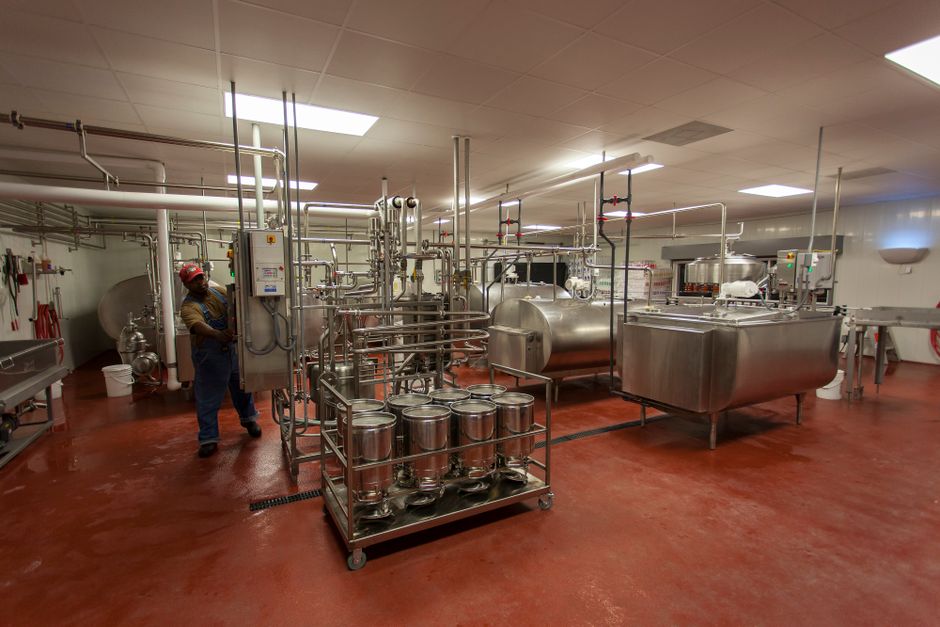
Gund makes ceramic and glass-to-metal seal components, the kind of parts that end up inside pacemakers, aerospace instruments, and defence electronics. That matters because it explains everything. Niche, high-specification, difficult-to-substitute products create pricing power. Pricing power funds the reserves that fund employment stability during downturns. The no-layoff record is not a cultural achievement sitting on top of a normal business. It is the output of a deliberate product and market strategy that has been compounding for three generations.
The mechanics are straightforward. During slow periods, Gund moves people into maintenance, training, and internal projects. They accept lower margins rather than lower headcount. The fourth-generation family owners treat the workforce as a fixed asset rather than a variable cost. When volume returns, they have their full capability intact, no recruitment cost, no retraining lag, no institutional knowledge walking out the door with redundancy cheques.
That last point is worth making concrete. Replacing a skilled manufacturing worker in Ireland costs between 50 and 200 percent of annual salary when you factor in recruitment, onboarding, and the productivity gap while the replacement gets up to speed. For a 20-person production floor earning an average of €45,000, a round of layoffs that you later reverse costs you anywhere from €450,000 to €1.8 million in real money. The no-layoff philosophy is not charity. It is a calculation.
Why the Irish Context Is Different
Irish family manufacturing firms face three structural pressures that Gund does not, at least not at the same intensity.
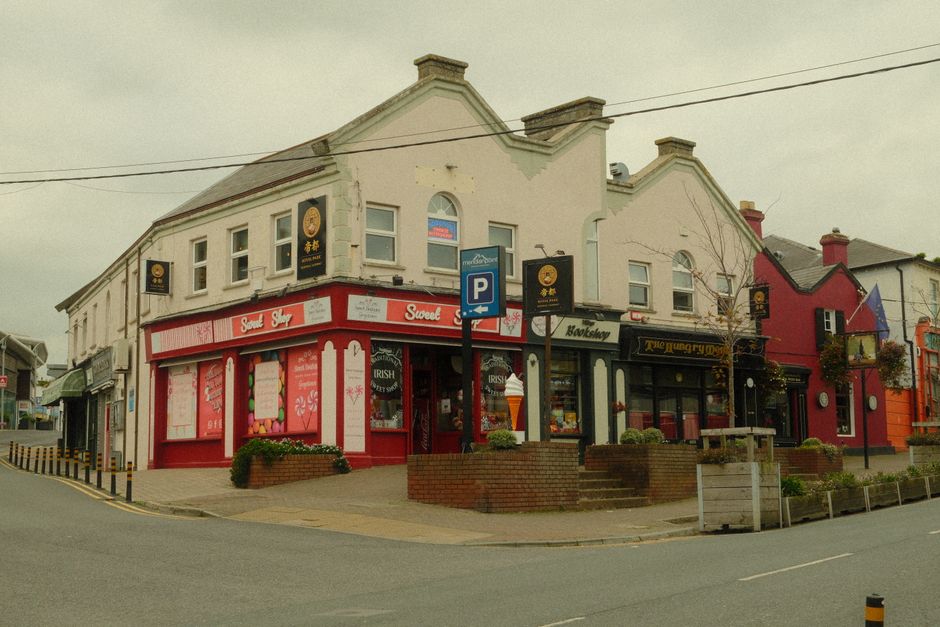
First, currency and export exposure. A Tipperary engineering firm selling into sterling markets in 2016 saw its revenue assumptions redrawn overnight when Brexit moved the exchange rate. Gund sells in dollars to dollar-denominated industries. The hedging problem simply does not exist at the same scale. Irish manufacturers cannot always absorb a downturn through reserves when the revenue line itself is moving.
Second, the succession gap. Family business succession in Ireland is structurally messier than the American model. Irish firms frequently face inheritance tax complications, sibling equity disputes, and a smaller domestic market that limits the runway for the next generation to learn before they lead. Gund has had four generations of clear, single leadership succession. Many Irish counterparts are trying to navigate three siblings with equal shareholdings and different appetites for risk.
Third, the cost base. Energy costs, commercial rates, and insurance in Ireland have risen sharply enough that the margin buffer required to carry full headcount through a downturn is harder to build. The CSO's own figures show Irish manufacturing input costs rose over 30 percent between 2020 and 2023. You cannot absorb that and simultaneously maintain a war chest for employment smoothing unless your product commands genuinely premium prices.
The Framework Irish Firms Are Actually Using
The most successful Irish family manufacturers are not trying to replicate Gund verbatim. They are extracting the underlying logic and building their own version. That logic breaks into four steps, and the order matters.
Step 1: Establish pricing power before promising stability. You cannot offer employment security on a commodity margin. The commitment to your workforce has to be funded, which means going up the value chain first. This is producer thinking over consumer thinking. Build something that buyers cannot easily source elsewhere, then make promises.
Step 2: Build the reserve before the downturn, not during it. The firms managing this well are setting aside a percentage of profit in good years, ring-fenced and named. Not a vague intention to be conservative. An actual reserve with an actual number attached. A target of six months of payroll is common among the firms doing this seriously. For a 30-person manufacturing operation, that is roughly €700,000 sitting idle by design.
Step 3: Cross-train deliberately. Gund's ability to redeploy workers during slow periods depends on a workforce that can do more than one thing. Irish firms that have visited Gund and come home empty-handed are usually the ones that skipped this step. Cross-training is not a HR initiative. It is the operational mechanism that makes the employment promise viable.
Step 4: Write the commitment down and make it visible. Gund's no-layoff record is known inside and outside the company. That visibility creates a recruitment advantage, a retention effect, and a cultural anchor for the next generation of leaders. Irish family firms tend to operate this as an unspoken understanding rather than an explicit commitment. The unspoken version erodes during succession because the new generation did not make the promise and does not feel bound by it.
The Succession Test
The real stress test for any employment stability commitment is not a recession. It is a generational handover. The founding generation often holds the culture together through personal relationship with the workforce. The incoming generation inherits a set of obligations they did not build, in a business environment they did not experience, with employees who remember a different era.
The family businesses threading this needle in Ireland are doing one specific thing right: bringing the next generation into difficult decisions before the handover, not after. If the third generation understands why the reserve exists and has sat in the room during a slow quarter when the alternative to the reserve was redundancy notices, they carry the philosophy forward with conviction rather than obligation. That is the difference between a value and a policy.
The Honest Assessment
The 75-year no-layoff record is a real achievement built on real structural choices. Irish family manufacturers can learn from the underlying logic. They cannot lift the model wholesale and plant it in a different cost environment, a different currency exposure, and a different legal framework for business succession. The opportunity is clear: firms that build genuine pricing power, maintain deliberate reserves, and cross-train their people will outperform competitors who treat headcount as the first lever to pull in a downturn. The fear is equally clear: the investment required to reach that position takes years, and the window to build it tends to close exactly when you need it most.
Build the buffer when you do not need it. That is the whole lesson.