Summer Heatwaves Are Becoming a Profit Driver for Irish Energy Companies.Here's Why
Climate chaos is becoming a profit centre. The businesses that treat it as a cost are already falling behind the ones that treat it as a market signal.
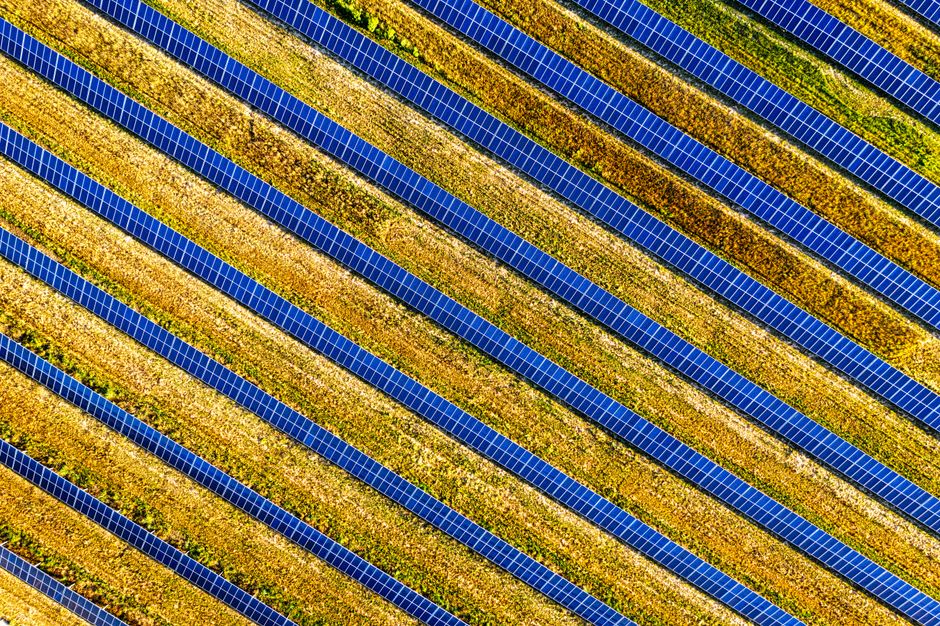
EirGrid logged record solar generation figures in July 2024, with solar output hitting levels that would have looked implausible on an Irish grid five years ago. The timing matters. Those peaks did not arrive during a gentle Irish summer. They arrived during a heat event that pushed temperatures into the high twenties across Leinster and Munster, drove air conditioning demand up, and simultaneously flooded the grid with cheap renewable electricity. Two forces ran in opposite directions at the same time. That gap between supply and demand, and the price volatility it creates, is where the money is moving.
The Binary That Defines Irish Energy Right Now
The Irish energy market is now split into two camps. There are operators who built generation assets before the renewable buildout accelerated and are now selling electricity at moments of peak price. Then there are businesses and households who are pure consumers, buying at those same peak moments without any hedge. The entrepreneur's question is simple: which side of that transaction do you want to be on?
The numbers make this concrete. Wholesale electricity prices on the Single Electricity Market can swing from near zero, or even negative, during periods of high wind and solar output, to over €300 per megawatt hour during evening demand peaks when the wind drops. A business that can shift load, store energy, or sell back to the grid turns that volatility into an asset. A business that simply draws power at peak times pays the full spread.
How the July Solar Boom Actually Worked
Solar generation in Ireland was close to negligible as recently as 2019. The installed capacity has grown sharply since, and EirGrid's own figures now show solar contributing meaningfully to afternoon generation during summer months. In July, on the clearest days, solar was covering a significant share of midday demand. The consequence was predictable to anyone watching the market: midday wholesale prices fell, sometimes sharply, while morning and evening prices stayed elevated.
Energy companies with flexible generation, battery storage, or smart dispatch systems effectively bought low and sold high on the same day. That is not a complex financial instrument. It is a trading operation built on a physical asset, and Irish energy companies are already betting on the infrastructure needed to do it at scale.
The harder question is what comes next. Solar generation in Ireland is constrained by geography and cloud cover for most of the year. But the trajectory is clear: more panels, more battery storage, more moments of price inversion, more opportunity for those positioned to act on it.
Three Positions Worth Taking Seriously
The opportunity sits at three levels, and the order matters because each one builds on the last.
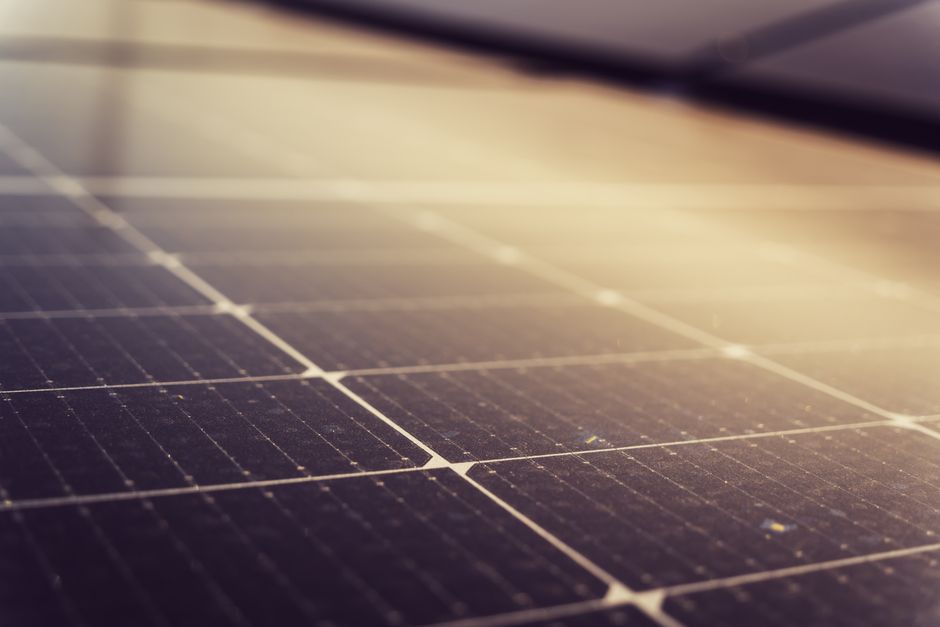
Position 1: Generate. Installing solar, whether on a commercial roof, an industrial facility, or agricultural land, puts a business on the producer side of the binary. A 250kW rooftop system on a Cork distribution warehouse is not a gesture toward sustainability. It is an asset generating electricity at close to zero marginal cost during the hours when grid prices are highest in summer. The payback period on commercial solar in Ireland has shortened considerably as equipment costs have fallen and electricity prices have stayed elevated.
Position 2: Store. Generation without storage means selling at midday when prices are lowest and buying at 7pm when they are highest. Battery storage inverts that. A business with a 500kWh battery can soak up cheap midday solar, discharge during the evening peak, and either avoid grid purchases at expensive rates or sell back under a smart export tariff. The economics are not yet perfect for every operator, but they improve every year as battery costs fall and grid volatility increases.
Position 3: Trade. This is where energy becomes a revenue line rather than just a cost reduction. Demand-side response programmes, run through EirGrid and the market operators, pay large energy users to reduce consumption at critical moments. A cold storage facility, a data centre, or a manufacturing plant with controllable load can receive direct payments for agreeing to curtail during grid stress events. This is not theoretical. Companies are earning six-figure sums annually through these programmes today.
The Risk Hiding Inside the Opportunity
None of this is without friction. The planning system for large renewable projects in Ireland remains slow, and the grid connection queue for new generation assets has been a genuine barrier to investment. Grid connection delays of three to five years are not uncommon for projects above a certain scale. That is a real cost, and it falls hardest on smaller operators who cannot afford to carry development risk for years before a single unit of electricity is generated.
The other risk is policy dependency. Export tariffs, grid support payments, and demand-side response fees are set by regulators and can change. A business case built entirely on current subsidy structures is fragile. The stronger position is one where the economics work even if supports are trimmed, because the underlying cost saving from self-generation and storage is real regardless of what the regulator decides next year.
Ireland's broader infrastructure buildout is already creating large new electricity loads, particularly from data centres and semiconductor facilities. Those loads need power, and the businesses that can supply or manage it reliably are in a strong position.
What This Means for the Irish Business Owner
The July solar figures are a data point, not a destination. Irish summers will not reliably deliver Spanish levels of solar radiation. But the direction of travel is fixed: more renewables, more grid volatility, more price spread between surplus and scarcity moments.
The businesses that will profit are the ones that invest now in assets rather than consumption habits. A rooftop solar array is an asset. A battery is an asset. A metering and control system that lets you shift load intelligently is an asset. A standing order to your electricity supplier is a cost.
The climate is changing Irish energy economics whether Irish businesses engage with it or not. The only choice is whether to be on the selling side of that volatility or the buying side.