Why Irish VCs Should Be Betting on the Maker Economy (Not Just AI)
The most interesting businesses at Dublin Maker 2026 had no investor deck. Several had no investor at all.
Walk the floor of the RDS during Maker weekend and you find a furniture restorer who built a CNC-assisted joinery process that cuts waste by 40%. A Limerick woman producing modular acoustic panels from recycled Irish wool, selling to architects across the EU. A Waterford team repairing industrial electronics that would otherwise be landfilled, charging a premium for the service because the alternative is a six-week wait from a German OEM. Every one of them is funding growth from revenue. Not because they prefer it that way, but because the Irish VC market looked straight through them.
That is the funding gap Dublin Maker 2026 put on display. And it is bigger than most people in the investment community want to admit.
The AI Gravity Problem
Irish venture capital has developed a strong gravitational pull toward AI. That is not inherently wrong. AI investment can produce real returns and Ireland has genuine advantages in the space, as the ecosystem around semiconductor spinouts and research commercialisation shows. The problem is when AI stops being one category among many and becomes the only category anyone will seriously fund.
Enterprise Ireland's own portfolio tells the story in outline. Software and digital technology companies dominate the early-stage funding pipeline. Physical product businesses, repair-oriented ventures, and craft-led manufacturing startups represent a fraction of formal investment activity. The working assumption in most Dublin VC rooms is that software scales and atoms do not. That assumption is wrong, and it is costing Irish investors a category of returns they are leaving on the table.
The maker economy is not a nostalgia project. It is a producer-side response to three real pressures: supply chain fragility exposed by the pandemic, EU right-to-repair legislation creating a legal floor under the repair market, and a consumer shift toward provenance and durability that is showing up in premium pricing power. These are not soft cultural trends. They are structural demand signals, and demand is the only foundation worth building a business on.
What the Numbers Actually Show
The EU's right-to-repair directive, which came into force in 2024, covers a product range that touches roughly 35 billion euros worth of goods sold in Ireland annually. Phones, tablets, household appliances, power tools. The directive does not just give consumers the right to repair. It creates an obligation on manufacturers to make spare parts available and to price them reasonably. That is a market structure change, not a consumer preference shift. Irish startups who have read the regulation carefully are already positioning to take revenue that currently flows to manufacturer service networks.
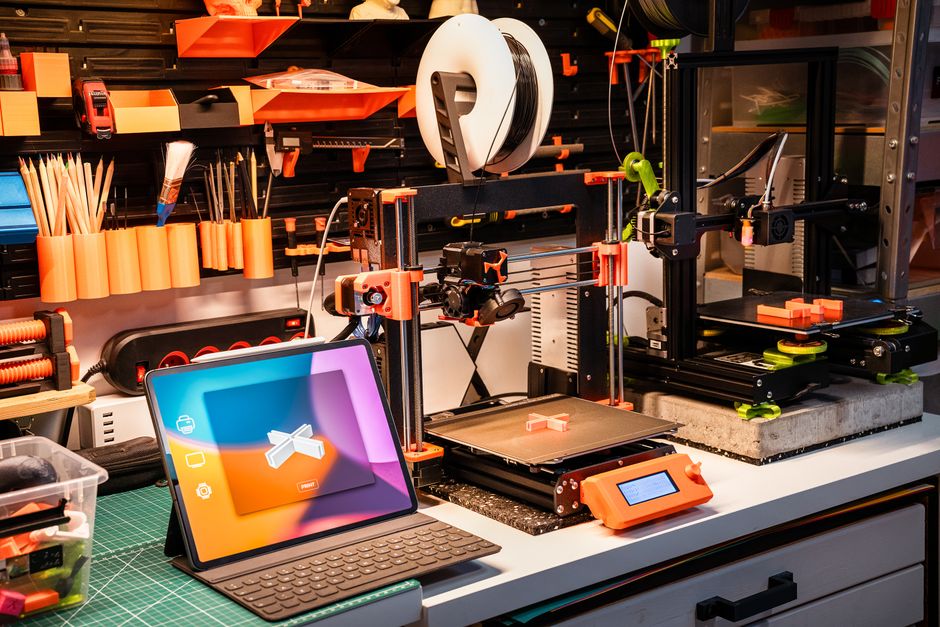
Then there is the manufacturing side. Ireland's indigenous manufacturing base is narrower than it looks. Strip out the multinational pharma and medtech plants and the domestic producer ecosystem is thin. The maker economy, at its growth edge, is not hobbyists building birdhouses. It is small producers using CNC routers, laser cutters, and digital fabrication tools to manufacture short runs of high-value physical goods that larger factories will not touch below minimum order quantities. That is a real gap in the market. A Galway company making bespoke acoustic furniture for recording studios does not compete with IKEA. It serves a customer IKEA cannot reach.
A Four-Point Framework for Maker Investment
The reason most VCs pass on maker economy businesses comes down to four concerns, and each one has a counter-argument that serious investors should sit with.
1. Revenue first, valuation second. Maker businesses tend to be profitable earlier than SaaS companies. A repair workshop with a €300,000 annual turnover and 30% margins is a real asset-generating operation. The investor who wants a €50 million exit in five years will walk past it. The investor building a portfolio of durable, cashflow-positive Irish SMEs should stop and talk.
2. Physical = scalable when the constraint is skill, not atoms. The limiting factor in most maker businesses is trained hands, not raw material. That is solvable through apprenticeship models, digital fabrication tools, and process documentation. It is slower than deploying a software update, but it produces businesses that are genuinely hard to copy.
3. Export premium is already there. Irish craft and manufacturing businesses command a country-of-origin premium in European markets that pure software companies simply cannot access. A piece of Irish wool acoustic panelling carries a story that a SaaS dashboard does not. Premium pricing driven by provenance is not marketing spin. It is margin protection.
4. Regulation is your moat, not your burden. The EU's sustainability agenda, the right-to-repair rules, and incoming ecodesign regulations are creating forced demand for what maker economy businesses already do. The company that repairs and refurbishes industrial electronics today is positioned in front of a regulatory wave that will compel larger organisations to find exactly that service.
The order matters here. Revenue first because it tells you whether the business model works before you scale it. Scalability second because it tells you whether your capital will compound. Export premium third because it tells you where your margin ceiling sits. Regulation fourth because it tells you how long your window stays open.
The Fear Is Real, and So Is the Opportunity
The honest version of this conversation includes what is hard. Maker economy businesses are capital-intensive relative to their early revenue. Equipment costs money. Space costs money in Ireland's current property market, where a workshop in Dublin 8 runs at commercial rents that would make a Berlin maker blush. Exit routes are less obvious than a SaaS acquisition by a US strategic buyer. And the founder profile, often a skilled craftsperson rather than a second-time tech entrepreneur, can make due diligence unfamiliar territory for funds built around software metrics.
None of that makes the opportunity smaller. It makes it less competed for.
The founders at Dublin Maker 2026 who are bootstrapping their way to €500,000 in annual revenue, building customer lists that any premium retailer in Germany would pay to access, and solving real material problems with real physical skill are not waiting for Irish VCs to notice them. Some of them are already talking to European impact funds and UK family offices who have decided that physical production with a sustainability angle is exactly where they want to be.
The window for Irish investors to lead in this space is open. It will not stay open indefinitely.
Back your makers now, or explain later why you let a German fund take the returns.