The AI artist uprising: How Irish musicians can fight back against algorithmic theft
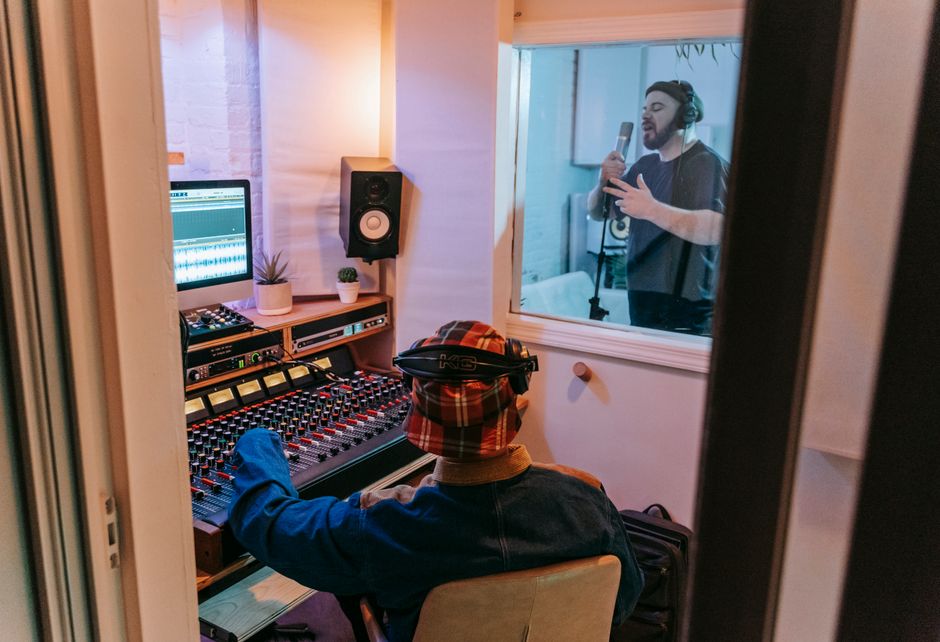
Irish musicians built something real, and a Silicon Valley startup is using it as free raw material. That is not a metaphor. It is the business model.
Suno, the AI music generation platform, raised $125 million in 2024 and is valued at over $500 million. It produces complete, commercially usable tracks in seconds. Its training data is almost certainly built on decades of copyrighted recordings. The artists whose voices, chord progressions, and production styles fed that machine have received nothing. Not a licence fee, not a royalty, not a courtesy email.
Ireland has roughly 2,500 professional musicians according to the Music Network's own estimates, and multiples of that number earning part of their living from recorded music. Streaming already stripped the economics bare. A million Spotify plays earns an Irish artist approximately €3,000 to €4,000, about what a mid-range wedding band makes in a single weekend. Now AI tools threaten to remove even the sync licensing, ad music, and background score work that kept the professional tier alive. These are not edge cases. They are the day jobs that allow the albums to exist.
The Real Problem Is Not the Tool
Blaming Suno for existing is the wrong argument. Technology that makes music creation accessible to people who cannot play an instrument is genuinely interesting. A teenager in Roscommon who has never had a lesson can now produce something that sounds like a professional recording. That is not nothing.
The problem is the extraction. Producer versus consumer is the clean way to frame it. Suno is the producer here, and Irish musicians are the raw material. The artists did not consent to training. They were not compensated. They have no ongoing claim to the value being generated. Every track Suno produces and every subscription it sells is built on work it did not pay for, and that gap between value created and value returned is where the industry argument lives.
The Recording Industry Association of Ireland and IMRO have both made noise on this. The RIAA's lawsuit against Suno and Udio in the United States, filed in mid-2024, is the clearest test case in the English-speaking world. It alleges direct copyright infringement on a massive scale. The outcome will matter here too, because Irish copyright law under the Copyright and Related Rights Act 2000 extends broadly to reproduction rights. If US courts find infringement, Irish artists have a template.
Four Things Irish Musicians Can Actually Do
Collective action beats individual complaint. Here is the order of operations, and the order matters because each step builds the power base for the next.
1. Register everything, now. IMRO membership is free and covers performing rights. RAAP covers neighbouring rights for performers on recordings. Many Irish musicians are members of one but not both. Every unregistered track is an asset with no paper trail. Before any licensing framework exists, the catalogue needs to be documented.
2. Build the political case, not just the moral one. Ireland's position on tech regulation is more complicated than most countries. We host the European headquarters of the companies that own or invest in these AI platforms. That creates a conflict of interest the government will not volunteer to resolve. Irish musicians need to make the economic argument directly: the creative sector contributes over €1 billion annually to the Irish economy by the Department of Tourism, Culture, Arts, Gaeltacht, Sport and Media's own figures. That is a constituency worth protecting.
3. Demand transparency in the EU AI Act. The EU AI Act came into force in 2024. Article 53 requires providers of general-purpose AI models to publish summaries of training data. That provision is still being interpreted, but it gives Irish artists and their representative bodies a legal hook. IMRO and the Irish Music Rights Organisation should be lodging formal requests for disclosure. The question "what Irish recordings did you train on?" is now a legitimate regulatory question, not just an accusation.
4. Build a licensing framework before the default is set. The music industry's failure with streaming was allowing the royalty rate to be set by the platforms before collective bargaining existed. Spotify set the per-stream rate. Labels accepted it. Artists inherited it. The same thing will happen with AI training licences unless rights bodies move first. IMRO working with European counterparts through GESAC to establish a baseline AI training licence rate is not idealistic. It is the only way to avoid repeating 2008.
The Window Is Shorter Than It Looks
Legal frameworks move slowly. AI capability moves fast. The pace of AI investment in Ireland alone signals how quickly the commercial infrastructure is being built around these tools. By the time a test case winds through the Irish courts, a generation of users will have normalised AI-generated music, and the lobbying power of the platforms will dwarf anything the rights bodies can field.
The window for establishing that training data requires licensing and that creators deserve a share of the resulting commercial value is open right now. The US litigation, the EU regulatory process, and the public conversation about creative rights are all live simultaneously. That does not happen often.
Irish musicians are producers, not consumers, in this story. Their recordings are assets, not decoration. The question is whether the institutions representing them treat those assets accordingly, or let the default be set by people who have every incentive to pay nothing.
The artists built the catalogue. They should own what it is worth.