When Bluetongue Hits Your Herd: How Irish Farmers Can Turn Vaccination Gaps Into a Competitive Edge
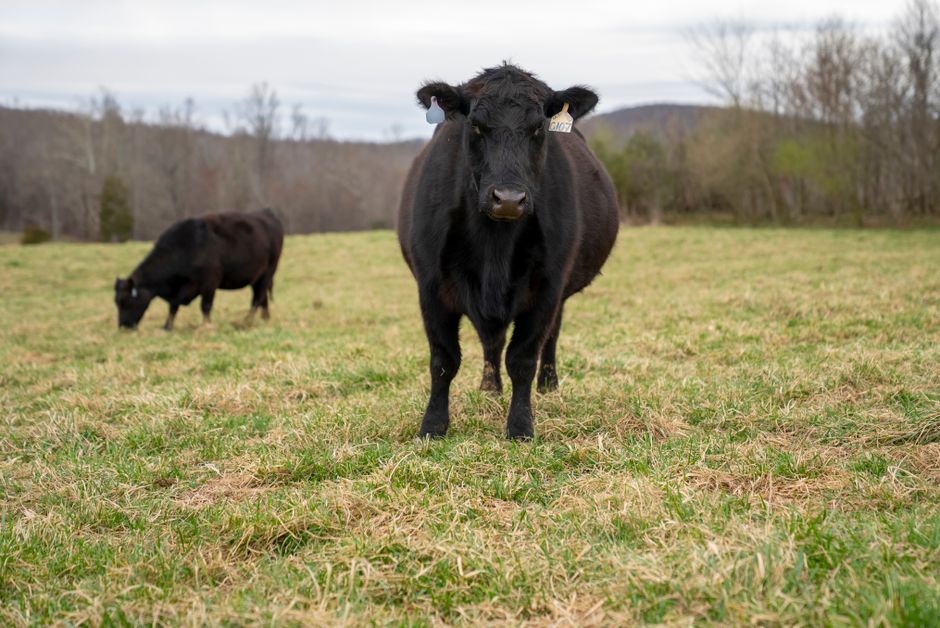
Half of Ireland's breeding herds carry no bluetongue vaccine cover right now. That is not a statistic to file away. That is half the national breeding population sitting exposed to a midge-borne disease that kills calves before they are tagged, drops milk yield by up to 30%, and causes enough late-term abortions to wreck a breeding programme in a single season. The farmers on the right side of that divide are already being paid differently for it.
What Bluetongue Actually Costs a Herd
Bluetongue is not a hygiene failure. It arrives on the wind, carried by Culicoides midges, and Ireland's warming, wet climate is making those midges comfortable year-round in counties that never had them twenty years ago. The Department of Agriculture confirmed the disease reached Ireland via Northern Ireland in 2024, and the serotype circulating, BTV-3, is the one that hit Dutch cattle herds with devastating force before moving west.
The numbers in the Netherlands give Irish farmers a clear picture of what unprotected exposure looks like. Dutch producers reported production losses averaging 15 to 20% across affected herds in a single season. For a suckler farmer running 80 cows at current beef prices, a 15% hit on calves born and weaned is the difference between a margin and a loss. That is the cost of doing nothing dressed up as inaction.
The bluetongue vaccine for BTV-3 became available in Ireland through 2024 and into 2025, but uptake sits at roughly 50% of breeding herds. The other half is either waiting, doubting, or calculating that the risk is someone else's problem. History does not reward that calculation in livestock disease.
The Biosecurity Protocol That Separates Producers From Gamblers
Vaccination alone is not a biosecurity programme. It is one layer. The farmers pulling premium prices from processors and direct buyers are running a four-step protocol, and the order of those steps matters because each one depends on the credibility of the one before it.
Step 1: Vaccinate the breeding herd completely, not partially. Partial vaccination creates a reservoir of susceptible animals in the same airspace. One unvaccinated heifer can be the index case that triggers a movement restriction on the whole holding. Full cover or no cover is a real binary here.
Step 2: Document every vaccination event with batch numbers and dates. Without records, the vaccination might as well not have happened when a processor or mart asks for proof. The paper trail is the product.
Step 3: Establish a midge-reduction perimeter around housing. This means timing turnout away from the peak midge activity window at dawn and dusk during high-risk months, and where housing is used, fitting insect screens and applying approved repellents to animals. The vaccine reduces clinical disease. The midge reduction reduces exposure load, which matters for pregnant animals even in vaccinated herds.
Step 4: Register with your vet for a formal herd health plan that names bluetongue by protocol number. A herd health plan with a named biosecurity section is now a baseline requirement for several processor supply contracts, and it is the document that unlocks better standing in quality assurance schemes. Teagasc has a template, and most farm vets can build one in a single visit.
Where the Price Premium Is Coming From
Demand, not charity, is driving the premium. Irish beef processors supplying the UK and continental European markets are under growing retailer pressure to demonstrate clean supply chain documentation. A UK retailer sourcing Irish beef under a private label contract does not want to explain to its buying team why an Irish herd suffered a bluetongue outbreak that triggered a movement restriction and delayed shipment.
That pressure is translating into price. Some direct-supply contracts in the south and midwest are already specifying documented bluetongue vaccination as a supply condition. Farmers who cannot show compliance are not being penalised yet on price, they are being moved to the margin of the preferred supplier pool. That is how premiums work before they become penalties.
The agri-tech sector is building tools around exactly this kind of traceability demand, and farmers with clean digital records are already better placed to connect to those platforms when they become mainstream in procurement.
The Fear Is Real, but It Is Not a Reason to Wait
The fear among farmers who have not vaccinated yet is mostly about cost and about a nagging suspicion that the risk is overstated. The cost is not trivial. Vaccinating a herd of 80 breeding cows costs somewhere between €800 and €1,600 depending on the product and vet fees, which is real money against tight margins.
But the production loss from a single bluetongue episode in an unprotected herd of that size, using the Dutch figures, is closer to €8,000 to €15,000 in lost calf weight gain, reduced conception rates, and veterinary bills. The vaccine is not an expense. It is an insurance premium with a positive expected return, which is a description most insurance does not earn.
The fear that the disease might not arrive at all is a bet against the wind. Literally. Movement restrictions already apply to livestock moved from restricted zones in Britain, and as BTV-3 establishes itself across northern Europe, the buffer that geography once provided is shrinking every season.
Irish food businesses have already learned the hard way that cost explosions and supply disruptions compound each other. Livestock farmers are now facing the same compounding logic: the cost of prevention is fixed and manageable, and the cost of exposure is variable and potentially catastrophic.
The Competitive Position Is Being Set Right Now
Early mover advantage in livestock biosecurity is not a marketing concept. It is a factual description of how quality assurance schemes work. The farmers who build their documented biosecurity protocols now, before bluetongue becomes the standard processor requirement, will have two to three years of verified records when the scheme demands them. The farmers who start when it becomes mandatory will have zero.
That gap in verified history is the competitive edge. A processor choosing between two suppliers of identical stock will weight towards the farmer with three years of clean herd health records over the one with three months. That is not sentiment. That is procurement logic.
Ireland has built its agricultural reputation on the quality of its grass-based production system. Protecting that reputation at herd level, animal by animal, is not bureaucracy. It is the foundation of every premium the country's beef and dairy sectors have ever commanded. The farmers who understand that are already vaccinated, documented, and taking the call from the processor first.
The 50% who are not vaccinated are not unlucky. They are making a choice. They should make it with full knowledge of what it costs.