The Commercial Property Auction Surge: What Galway's 18.6% Vacancy Rate Says About Regional Business Real Estate
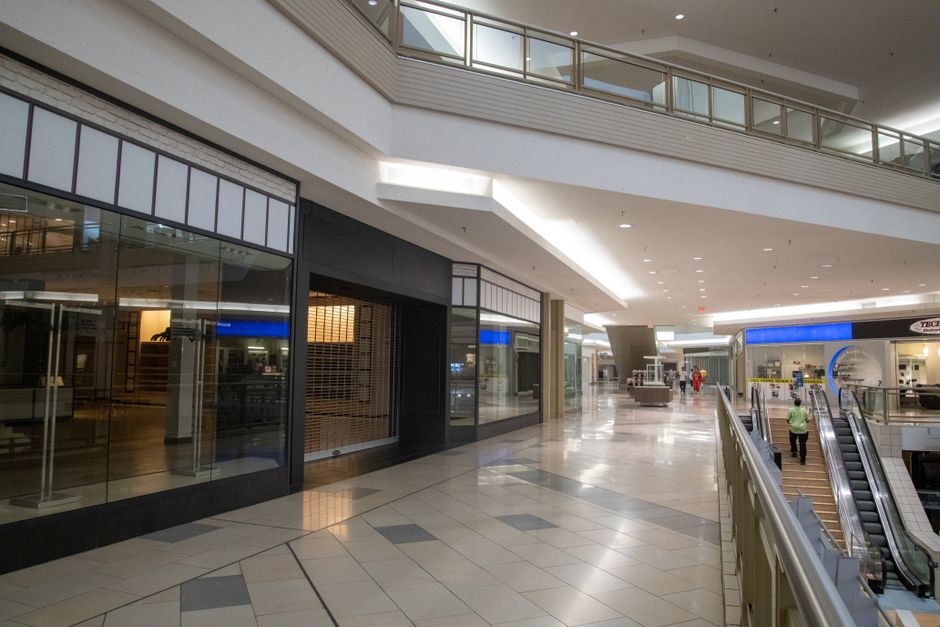
An empty shopfront does not stay quiet for long. It either gets filled, gets sold at auction, or becomes a monument to a landlord who held out too long at the wrong rent.
Galway's commercial vacancy rate has reached 18.6%, according to GeoView's commercial vacancy figures. The national average sits at around 14%. That gap of nearly five percentage points is not a rounding error. It is a structural shift in how the west of Ireland does business, and it is forcing property owners into auction rooms they never planned to visit.
The Number Behind the Number
18.6% sounds abstract until you walk Shop Street on a Tuesday afternoon and count the brown paper in the windows. In a city of Galway's size, that vacancy rate translates to roughly one in every five commercial units sitting idle. Put another way, if you lined up every commercial premises in the city, every fifth door would be locked with no tenant behind it.
The pressure is not coming from a collapse in economic activity. Galway's economy is growing. The university anchors a knowledge sector. Medtech firms operate along the western corridor. Comtrade's regional tech expansion points to genuine demand for modern workspace. The vacancy problem is not about a city in decline. It is about a city whose commercial property stock has not caught up with where businesses actually want to locate and how they now want to work.
Why Landlords End Up at Auction
Three forces push a commercial landlord toward auction rather than private treaty sale.
First, the rent expectation gap. Landlords in Galway city centre have been holding at rents set during 2018 and 2019 peak conditions. Tenants who survived the pandemic and subsequent cost increases are operating on tighter margins. A retail tenant paying €60 per square foot in 2019 is now looking at €35 as a realistic ceiling. When a landlord refuses to meet the market, the unit stays empty. When the unit stays empty long enough, the mortgage lender starts asking questions. Auction becomes the exit.
Second, the shift from retail to service use. The businesses filling commercial space in Galway right now are not retailers stocking shelves. They are health clinics, co-working operators, logistics support offices, and hospitality fit-outs. Each of those uses needs different specifications. A ground-floor unit designed for fashion retail, with full glazing and minimal storage, is the wrong shape for a physiotherapy practice that needs sound-proofed rooms and waiting space. Properties misaligned with current demand do not get taken at any reasonable rent. They get auctioned.
Third, estate fragmentation. A significant portion of Galway's vacant commercial stock is held within family estates and property portfolios assembled during the Celtic Tiger era. When ownership passes between generations or a portfolio needs to be unwound, auction is simply the fastest mechanism for price discovery. It is not distress in the traditional sense. It is administration catching up with reality.
Where Businesses Are Actually Going
The vacancy surge in the traditional city centre is mirrored by strong take-up in three specific locations.
Galway Business Park and the Parkmore industrial estate have seen consistent demand for units between 2,000 and 8,000 square feet. Businesses that need car parking, loading access, and sensible floor-to-ceiling heights are not fighting for Georgian street frontage. They are moving east of the city and paying less per square foot for space that actually works.
Oranmore is absorbing the overspill. What was a commuter village fifteen years ago now has a commercial strip that includes medical facilities, professional services firms, and food businesses. A GP practice or an accountancy firm does not need to be on Eyre Square. It needs parking and broadband, and Oranmore offers both at a fraction of the city centre cost.
The Docks quarter is the exception to the vacancy trend. Genuinely modern office space close to the water commands premium rents and stays occupied. The lesson here is one the wider Irish real estate market keeps learning the hard way: quality and location still command a scarcity premium. It is the middle-grade stock, the 1990s office block above a former travel agent, that nobody wants at any price.
The Four-Stage Auction Cycle
This is how a commercial property moves from occupied to auction in the Galway market. The order matters because skipping a stage is usually what causes owners to lose money.
Stage 1: Vacancy. The tenant leaves, either because the business has closed or because they have found better premises elsewhere. The landlord does not immediately reduce the asking rent, because accepting a lower figure feels like crystallising a loss.
Stage 2: Negotiation paralysis. Prospective tenants make offers at market rate. The landlord counters at a figure above market. Neither party moves. The unit stays empty for six to eighteen months. During this period, the building deteriorates slightly, rates liability accumulates, and the landlord's position weakens without anyone formally acknowledging it.
Stage 3: Refinancing pressure. The lender notices the void. A review is triggered. The landlord is asked to demonstrate a plan for the asset. A private sale is attempted, but without a rental income stream the yield calculation makes the asking price hard to justify to any buyer using debt.
Stage 4: Auction. The property goes to a commercial auction house, typically with a guide price set at or slightly below the level that would attract competitive bidding. The auction creates a deadline, and deadlines create decisions.
The Opportunity Nobody Wants to Say Out Loud
A high vacancy rate is a problem for existing landlords. It is an opportunity for businesses that want to own their premises rather than rent them.
A commercial unit in a secondary Galway location that hits auction with no rental income attached is priced on bricks, not yield. A well-capitalised business that buys that unit, occupies it, and removes the rent line from its cost base has converted a liability into an asset. The repayment on a commercial mortgage at current rates, for a unit bought at auction discount, can sit below the equivalent market rent for the same space. The business that owns is building equity. The business that rents is funding someone else's.
The fear is real: buying a commercial property ties up capital, creates maintenance obligations, and commits a business to a location. The opportunity is equally real: auction conditions in a high-vacancy market are the closest thing to a genuine buyer's market that the Irish commercial property sector produces.
Galway's 18.6% vacancy rate is not a sign that business is leaving the west. It is a sign that the west's property stock is being repriced to match where business has already arrived. The landlords who refuse to accept that repricing will see the auction room. The businesses sharp enough to meet them there will walk away with assets, not just leases.
Buy the building when the landlord blinks. Rent it when the landlord holds all the cards.