Why Irish SMEs Are Losing Out on €Millions in Pharma Supply Chain Deals
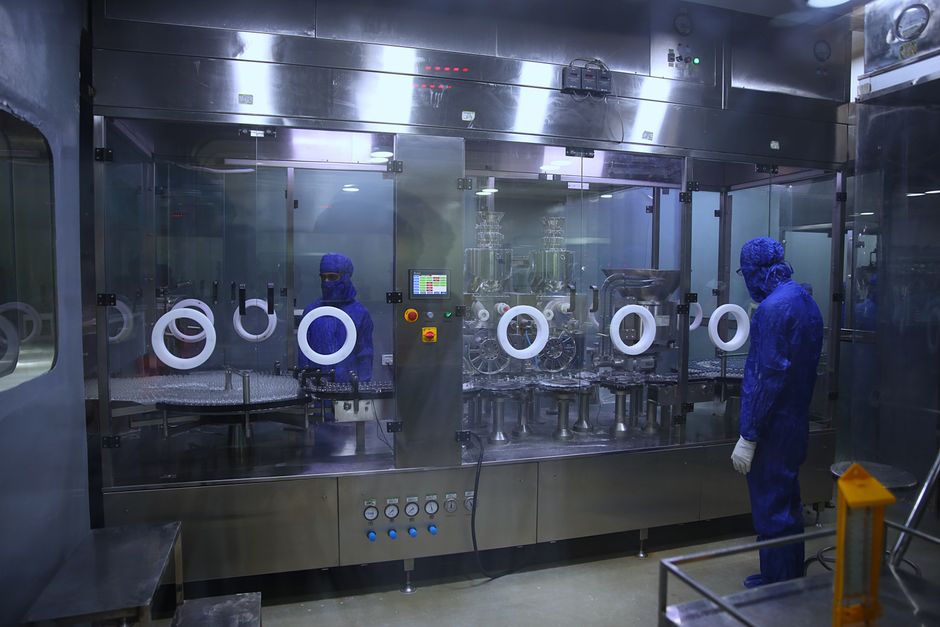
Ireland is one of the largest pharmaceutical exporters on the planet, shipping over €80 billion worth of medicines and biologics every year. That is roughly €16,000 worth of pharma product for every man, woman, and child in the country. And yet the average Irish SME owner, sitting twenty minutes from a Pfizer or Eli Lilly plant, has no commercial relationship with any of it.
That gap is not an accident. It is a navigation failure.
The Scale of What Is Actually on the Table
The pharma and medtech sector in Ireland employs around 50,000 people directly. The indirect and supply chain spend those facilities generate runs into the billions annually. Pfizer's Ringaskiddy plant alone is one of the largest pharmaceutical manufacturing sites in the world. AbbVie, Alexion, MSD, Johnson and Johnson: these are not just employers, they are procurement machines running continuous tenders for everything from calibration services and specialist packaging to engineering maintenance and environmental testing.
The split is stark: multinational buyer versus local supplier. The multinationals have procurement teams, approved vendor lists, and global sourcing relationships. The Irish SME has capability, proximity, and speed. What it typically lacks is awareness of how to formally enter the conversation, and the compliance documentation to survive that conversation once it starts.
The Irish life sciences paradox plays out at supplier level too. The same sector that cannot hire fast enough is simultaneously replacing overseas contractors with local alternatives, when those local alternatives can prove they meet the standard.
The Programmes Most SMEs Have Never Opened
InterTradeIreland runs a programme called Elevate, which provides fully funded consultancy to SMEs looking to build cross-border sales capability. It is not a loan. It is not a repayable advance. A qualified consultant works with your business, paid by the programme, to help you identify and approach buyers in Northern Ireland or the Republic, including procurement teams inside life sciences facilities. The average supported engagement is worth around €2,000 in consultant time, delivered free to the business. Most of the SMEs eligible for it have never typed the name InterTradeIreland into a search bar.
Enterprise Ireland's Supply Chain Finance programme is a second entry point. It exists specifically to help Irish businesses become financially fit enough to win and service large contracts. Working capital facilities aligned to purchase orders. Invoice discounting structures that let you take a contract with a 90-day payment cycle without it destroying your cashflow. These are real instruments, not ambitions written in a policy document.
Then there is the Local Enterprise Office network, which in many counties has dedicated manufacturing and life sciences advisors who maintain informal relationships with procurement leads at nearby pharma sites. That relationship exists. The phone call to set up the introduction is free. Most SMEs never make it.
A Four-Step Framework for Getting Inside Pharma Supply Chains
The order here matters. Going to step three before completing step one will get you rejected and blacklisted from that buyer's system for up to two years.
Step 1: Build your compliance house first. Pharma buyers operate under GDP (Good Distribution Practice) or GMP (Good Manufacturing Practice) requirements depending on what you supply. Before you approach any procurement contact, know which standard applies to your product or service and document your current position against it. Buyers do not teach suppliers compliance. They test for it.
Step 2: Register on eTenders and the relevant vendor portals. Pfizer, MSD, and others run their own approved vendor systems. The HSE, which procures on behalf of the state's interaction with pharma, uses eTenders. Neither will find you. You register, you get found.
Step 3: Use InterTradeIreland's Elevate programme to fund the business development push. This is the free external consultant who helps you build your pitch, map your target buyers, and approach them with a structured value proposition rather than a cold call. Demand and scarcity beat discounting every time. Your pitch should demonstrate why you are the right supplier, not why you are the cheapest.
Step 4: Apply for Enterprise Ireland supply chain or working capital support before you need it. The biggest reason Irish SMEs lose pharma contracts they have already won is cashflow. A 90-day payment cycle on a €400,000 annual contract means you are funding the first quarter yourself. Get the facility in place before you sign the contract, not after the cashflow crisis arrives.
The Fear That Keeps SMEs Out
The honest version of this conversation includes the fear. Pharma procurement is genuinely demanding. Qualification processes are long, sometimes eight to fourteen months from first contact to approved vendor status. Audit requirements are real. One failed audit at a multinational site can cost you the contract and the reference. The paperwork is not optional theatre. GDP and GMP documentation, traceability systems, corrective action processes: these are the price of entry, not bureaucratic inconvenience.
But the SME that invests in getting compliant holds something the overseas contractor does not: proximity, responsiveness, and a relationship that survives the next global disruption. COVID proved that supply chains built entirely on distant low-cost suppliers are brittle. The pharma sector learned that lesson at serious cost. That hidden SME advantage in pharma supply chains is now a commercial reality, not just a hopeful story.
What Staying on the Outside Actually Costs
Here is the number worth sitting with. Biopharma companies in Ireland collectively spend an estimated €3 billion annually on goods and services sourced from non-Irish suppliers. Even capturing two percent of that spend redirected to qualifying Irish SMEs would be €60 million. Spread across a few hundred businesses, that is a company-defining contract for each of them, not a rounding error.
The opportunity and the obstacle are the same thing: most Irish SMEs do not know the programmes exist, and the programmes do not market themselves aggressively enough to reach the businesses they were designed to help.
That is a navigation problem. It has a four-step solution. The funding to support that solution is already allocated and sitting unused.
Pick up the phone to your Local Enterprise Office on Monday morning. The procurement manager at the pharma site down the road is not waiting for you, but they will take the call when you are ready to make it properly.