The Help to Buy Scandal: How Revenue Is Clawing Back €2M From First-Time Buyers
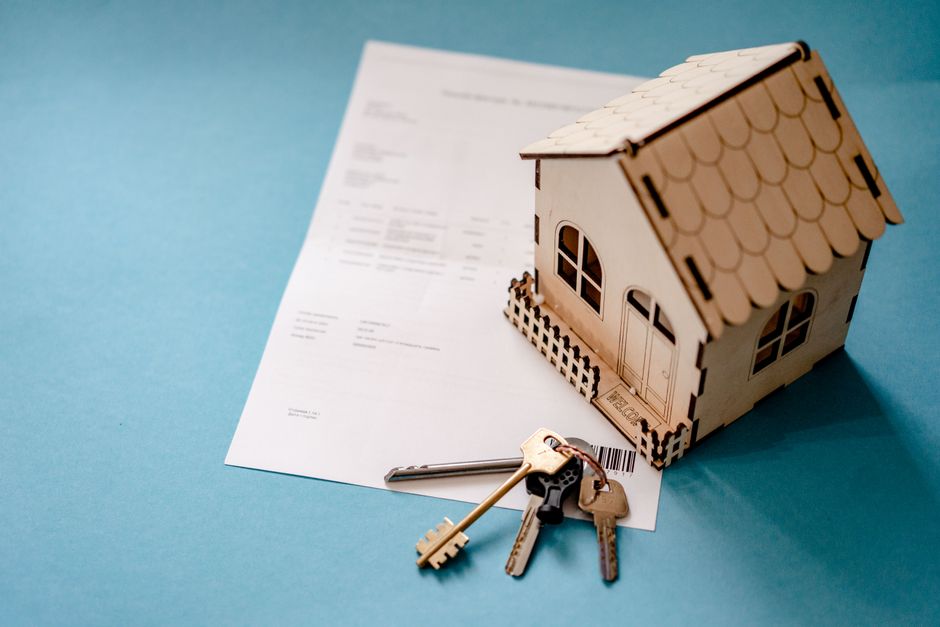
You did everything right. You saved your deposit, picked your new build, filled in the Revenue forms, and collected your Help to Buy grant. Then, two years later, a letter arrived telling you to hand it back.
This is not a hypothetical. Revenue has recovered more than €2 million from Help to Buy claimants since the scheme launched, and the pace of compliance checks is accelerating. The buyers caught out are not fraudsters. Most of them made honest mistakes about rules that are genuinely easy to misread. That is the scandal buried inside this story: the scheme design created traps that ordinary buyers walked straight into.
What the Scheme Actually Promises
Help to Buy gives first-time buyers a refund of income tax and DIRT paid over the previous four years, up to a maximum of €30,000. On a €400,000 new home, that €30,000 is worth 7.5% of the purchase price, which in real terms is the equivalent of roughly 18 months of average rent in Dublin. It is not a rounding error. It is a serious sum that buyers build their entire purchase plan around.
The scheme has supported over 50,000 purchases since 2017. That is a significant intervention in a market where first-time buyers are competing against investment funds and cash buyers. The intent is right. The execution is where the problems start.
The Three Rules That Catch People Out
Revenue clawbacks are almost never about fraud. They are about compliance conditions that buyers either did not know existed or assumed no longer applied once the money landed.
Rule 1: You must live in the property. Help to Buy is for owner-occupiers. The moment you rent out that property, even a room beyond the rent-a-room threshold, you trigger a potential clawback. Buyers who relocated for work and rented their home rather than selling it have learned this the hard way.
Rule 2: The clawback period is five years. If you sell, let, or cease to occupy the property within five years of purchase, Revenue can reclaim all or part of the grant on a sliding scale. Year one means 100% repayment. Year four means 20%. Many buyers had no idea this clock was running.
Rule 3: The property must meet the price cap at the time of claim. The cap has changed several times. Properties that were compliant when contracts were signed sometimes breached the threshold by the time drawdown happened, particularly on phased developments where prices were adjusted mid-build.
Who Is Actually Getting Caught
Revenue cross-references property registrations, rental income declared under the tenancy rules, and Land Registry transfer records. The matching is systematic and it is getting sharper. Irish tax advisors are being disrupted by software that can do exactly this kind of automated cross-referencing, and Revenue's own systems work the same way.
The highest-risk group is buyers from 2017 to 2020 who are now in their fifth or sixth year of ownership and have moved house, changed their relationship status, or shifted to part-time letting. The five-year clock expired or is about to expire for tens of thousands of claimants, and Revenue is running those checks now.
The second high-risk group is buyers on phased new developments where the developer repriced units between reservation and completion. If the final purchase price pushed the property above the scheme's ceiling, the grant was technically invalid from the start. Some of these buyers did not find out until a Revenue compliance letter arrived years later.
The Four Steps to Protect Yourself
The order here matters. Step one before any other, because each step builds on the one before it.
Step 1: Find your original claim reference and the date of drawdown. You cannot calculate your clawback exposure without knowing exactly when the five-year clock started. Revenue's myAccount portal holds this.
Step 2: Map every change in your circumstances since drawdown. Any rental income, change of primary residence, or structural change to ownership needs to be noted. Even renting a room under the rent-a-room scheme is safe if it stays below €14,000 per year. Above that, you are in different territory.
Step 3: Get the final purchase price confirmed against the threshold that applied in your purchase year. The thresholds were €500,000 pre-2022 and rose to €500,000 for new builds with adjustments after that. If you bought on a phased development, get written confirmation from your solicitor of the legally binding purchase price and when it was set.
Step 4: If you have any doubt, make a voluntary disclosure to Revenue before they contact you. A voluntary disclosure almost always results in a better outcome than a compliance intervention. Revenue's published position on this is clear. The penalty regime for unprompted disclosures is significantly lighter than for cases they identify themselves.
The Bigger Problem This Exposes
The Help to Buy scheme sits inside a housing policy that is under enormous pressure. The €3.8 billion housing finance boom is pulling capital into the sector, but supply still lags demand by enough to keep prices elevated. When first-time buyer support schemes have clawback conditions that are complex enough to catch out legitimately compliant buyers, the scheme itself starts to work against confidence in the market it was designed to support.
The fix is not to abolish the compliance checks. Fraud is real and the scheme needs protection. The fix is plain language. A one-page summary of the five conditions that trigger repayment, issued to every successful claimant at the point of drawdown, would cost Revenue almost nothing and would prevent most of the genuine mistakes that are currently generating €2 million in clawbacks and a lot of unnecessary misery.
Being a first-time buyer in Ireland is already the hardest financial climb most people will attempt. The state should not be making it harder by burying the repayment conditions in scheme documentation that reads like it was written for tax professionals.
Know the rules. Watch the clock. And if anything in your circumstances has changed since you claimed, get advice before Revenue comes looking.